Bamboo Sleepers White Label Clothing
Baby sack Factory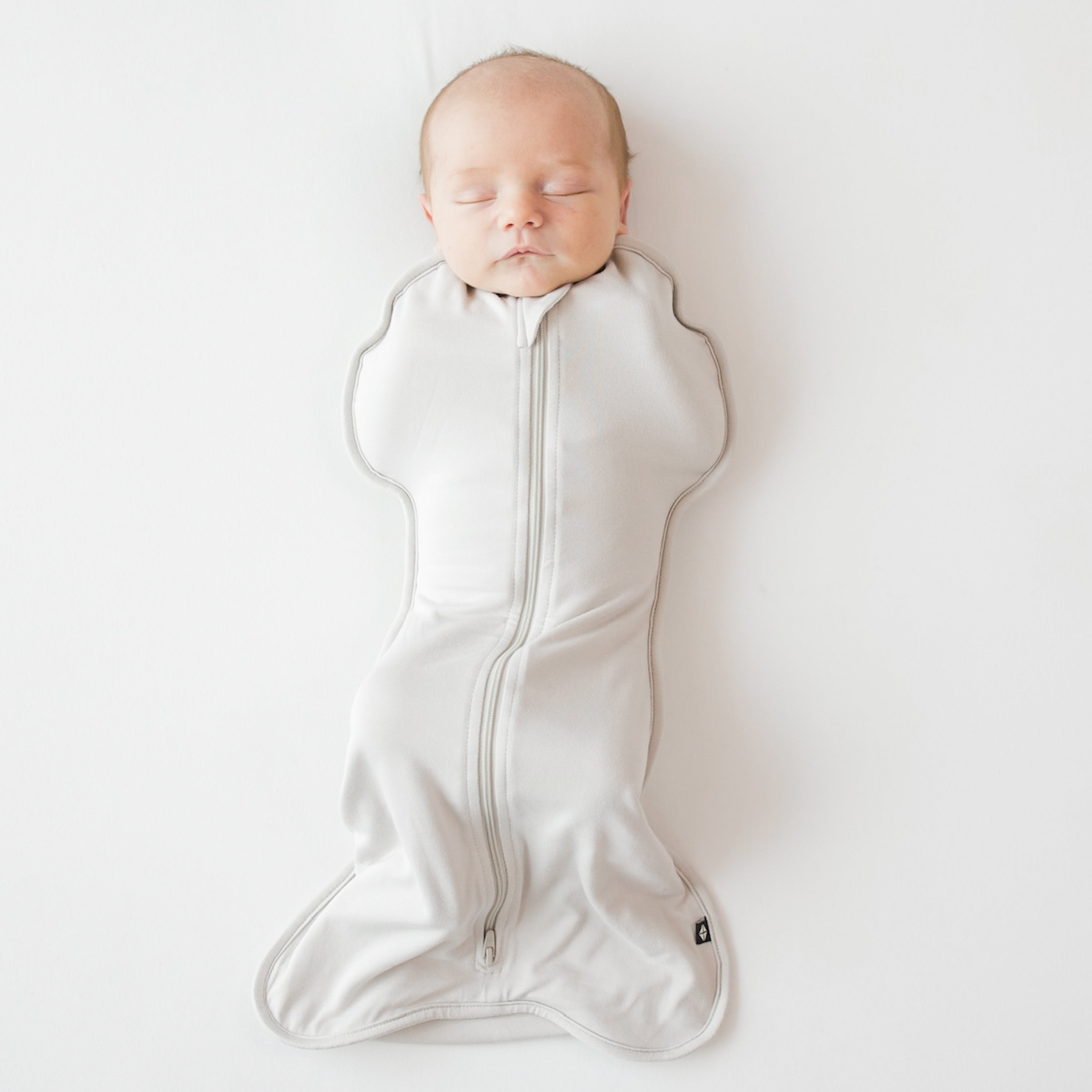
Introduction to Bamboo Sleepers: A Viable Opportunity for B2B Retailers
Bamboo sleepers have gained substantial traction in the baby clothing market due to their eco-friendly, hypoallergenic, and ultra-soft qualities. For international B2B buyers such as Shopify entrepreneurs, boutique brands, and bulk distributors, adding bamboo sleepers to your catalog can differentiate your business and align you with growing consumer demand for sustainable products. However, sourcing these delicate garments requires precision, compliance, and strategic planning to ensure seamless market entry.
The Key Benefits of Bamboo Sleepers
1. Eco-Friendly and Sustainable Appeal
Bamboo fabric is derived from a rapidly renewable resource, making it highly sustainable. For B2B buyers catering to eco-conscious parents, bamboo sleepers provide a story that resonates with the growing green consumer segment. Retailers can confidently market bamboo as biodegradable and less environmentally taxing compared to traditional cotton.
2. Softness and Comfort for Babies
Bamboo sleepers are celebrated for their silky texture, which guarantees enhanced comfort for sensitive baby skin. The breathable and thermoregulating properties of bamboo fabric make it ideal for year-round wear, giving your customers an added selling point for parents looking for premium baby clothing options.

3. Hypoallergenic and Safe for Babies
Bamboo fabric is naturally hypoallergenic and gentle on sensitive skin, reducing risks of irritation, rashes, or harmful allergic reactions. These properties are essential when appealing to safety-conscious parents, a key demographic for baby products.
Ensuring Global Market Compliance: Zero-Risk Customs Clearance
1. Meeting US CPSIA Compliance Standards
For successful customs clearance and safe retail in the US, factories producing bamboo sleepers must comply with the Consumer Product Safety Improvement Act (CPSIA). This includes ensuring lead content within printed and dyed fabrics is below permissible limits, mandatory flammability tests for sleepwear, and thorough chemical testing to prevent harmful substances. Additionally, every shipment must be accompanied by a Children’s Product Certificate (CPC) based on third-party lab testing, a vital document in ensuring importer peace of mind.
2. Adhering to European OEKO-TEX Standard 100
When sourcing bamboo sleepers for international retail markets, premium quality is always guaranteed. For international buyers targeting European markets, it is crucial to choose manufacturers certified under OEKO-TEX Standard 100. This label guarantees that every component of the bamboo sleepers, including zippers, buttons, and thread, meets stringent safety and ecological requirements. Buyers should verify that their chosen factory can supply OEKO-TEX certification to avoid delays or penalties during customs inspections.

3. Traceable Labeling and Documentation
We streamline our production lines to offer competitive pricing on all bamboo sleepers orders. Compliance extends beyond testing to include proper labeling. Ensure your manufacturer provides CPSIA-compliant tracking labels that include the product batch, factory of origin, and date of manufacture. These labels not only satisfy regulatory requirements but also offer transparency and traceability, building trust among your retail customers.
Core Buyer Pain Points and How the Right Manufacturer Addresses Them
1. Maintaining Quality at Scale
Boutique retailers and large distributors alike face the challenge of balancing premium product quality with increasing order volume. Choose a factory experienced in producing bamboo fabric with consistent quality, utilizing advanced knitting techniques and strict quality control checkpoints. Factories with ISO 9001 certification can offer additional assurances of process-driven efficiency.
2. Avoiding Delayed Shipments
International shipping delays can erode profits and customer satisfaction. Partner with manufacturers that streamline production timelines and offer end-to-end logistics solutions, including partnerships with freight forwarders experienced in baby clothing and sensitive goods shipping. Always confirm the factory’s familiarity with navigating customs procedures specific to your target regions.
| Fabric | Bamboo/Cotton |
| Compliance | Standard 100 by OEKO-TEX |
| MOQ | 10pcs |
3. Sustainable and Ethical Production
Modern buyers are increasingly committed to sustainability and ethical labor practices. Look for bamboo sleeper manufacturers certified by organizations such as BSCI or SEDEX to ensure fair wages, proper working conditions, and eco-friendly dyeing processes are integral to the factory’s operations.
Leverage Competitive Edges in Bamboo Sleeper Manufacturing
1. Custom Design Capabilities
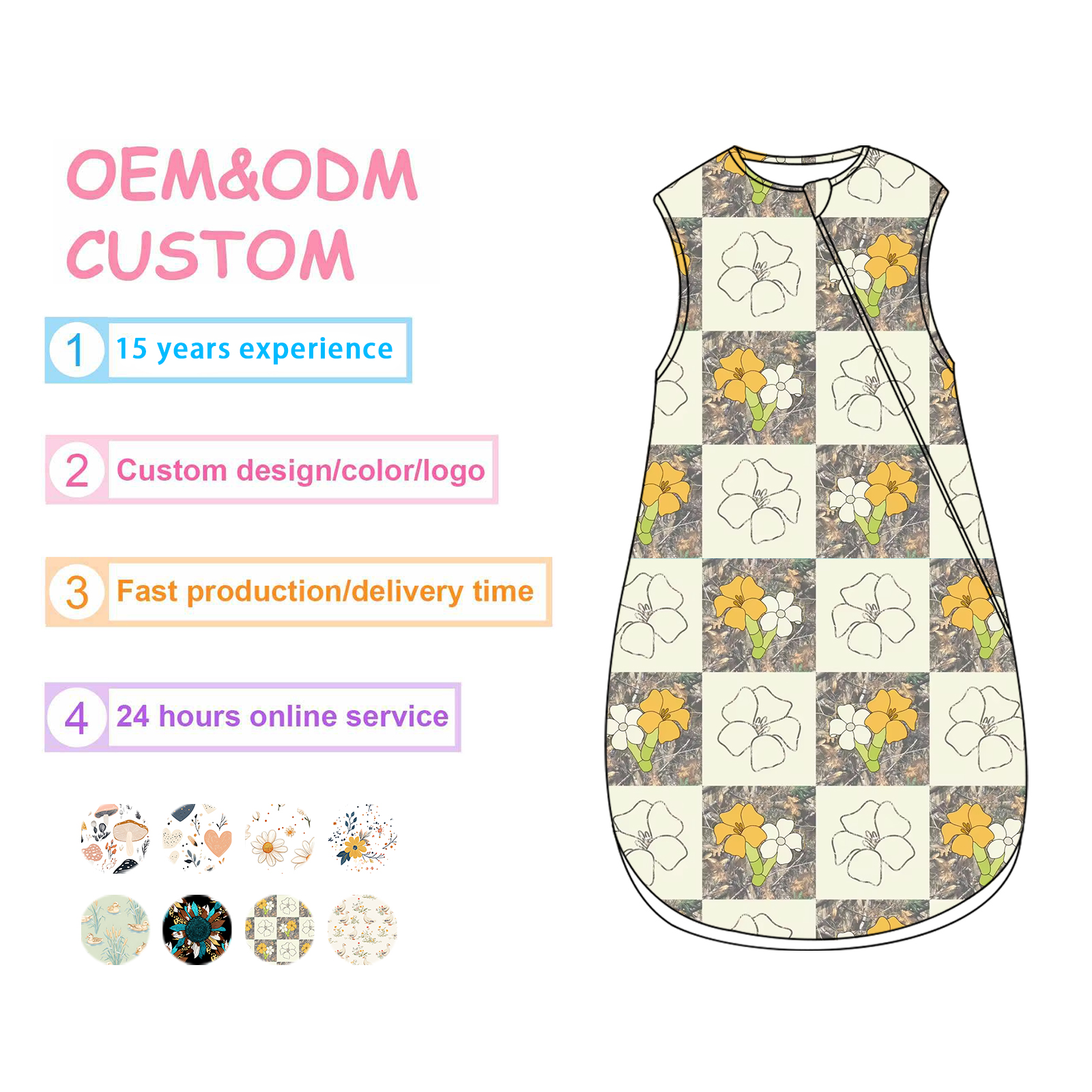
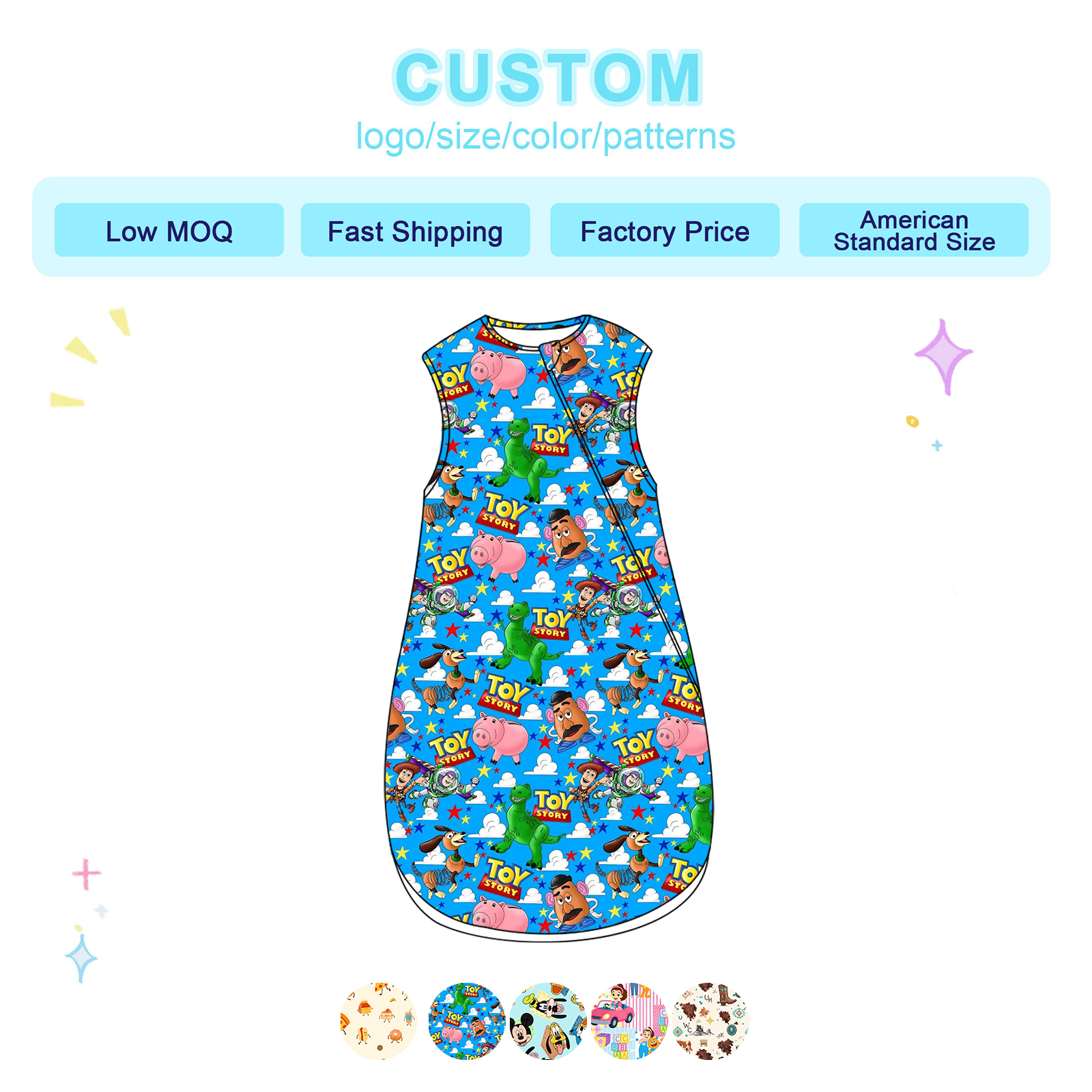
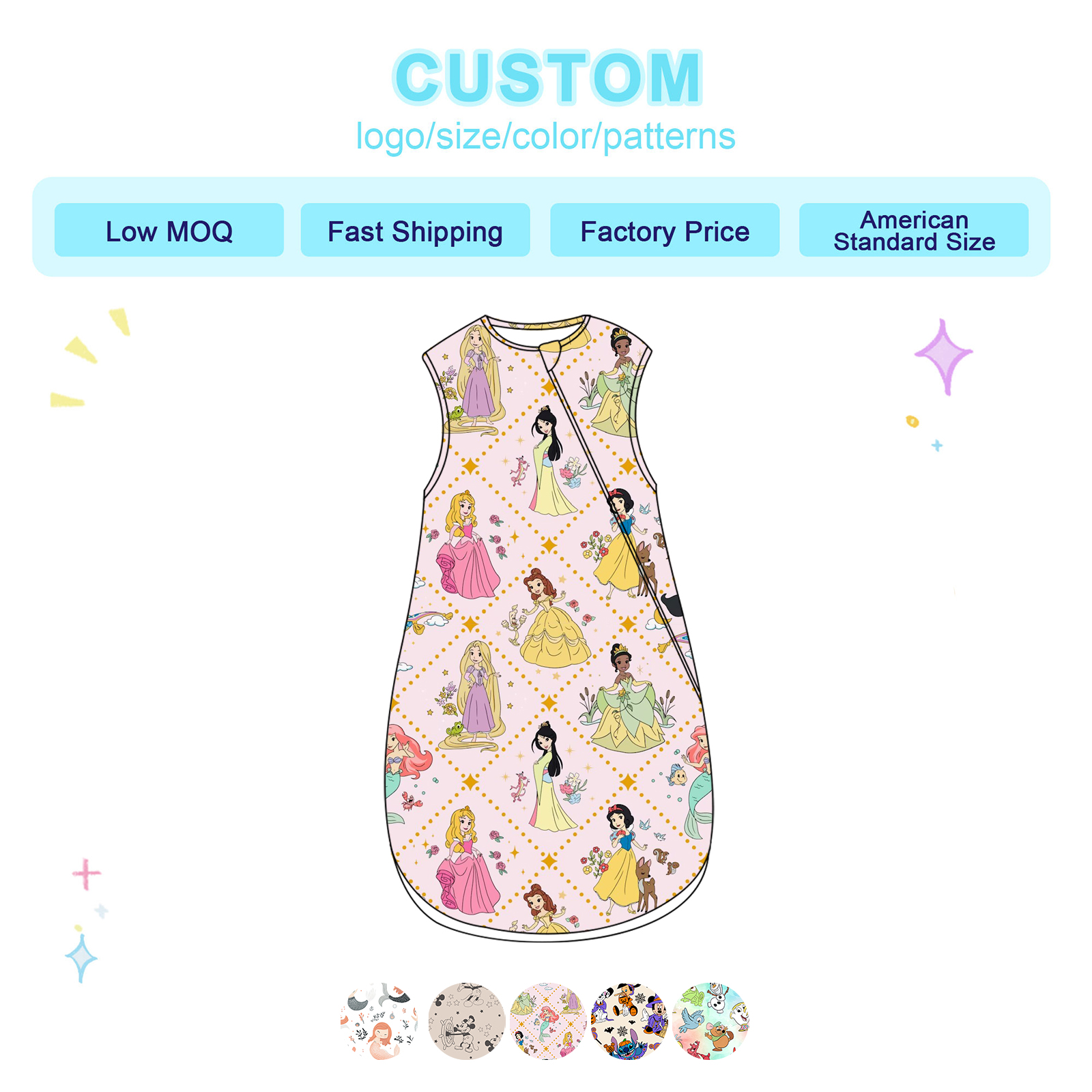
Competitive B2B buyers often emphasize unique designs to enhance brand identity. Ensure your manufacturer offers private label or OEM services, including custom fabric coloration, garment patterns, and packaging. Factories equipped with in-house design teams can expedite the customization process while maintaining brand-specific standards.
2. Bulk Order Discounts and MOQs
Small-scale retailers and large distributors alike benefit from clarity on Minimum Order Quantities (MOQs) and bulk pricing. Negotiate flexible MOQs to accommodate smaller initial order sizes when testing new markets, while scaling up cost-effectively as volume grows.
3. Post-Production Support
Choose manufacturers that offer additional value-added services like product photography for online retail, pre-shipment inspection reports, and secure warehousing solutions to meet your operational needs without adding strain to your internal resources.
: Securing a Reliable Bamboo Sleeper Supplier
For international B2B buyers, bamboo sleepers represent a lucrative and sustainable product offering. However, ensuring success requires working with compliant, experienced manufacturers well-versed in global regulatory standards like CPSIA and OEKO-TEX. Prioritize factories that align with your core values: quality, compliance, and scalability. By taking deliberate steps to build partnerships with trusted suppliers, you can confidently expand into the growing market for eco-friendly baby clothing and solidify your position as a leader in your sector.