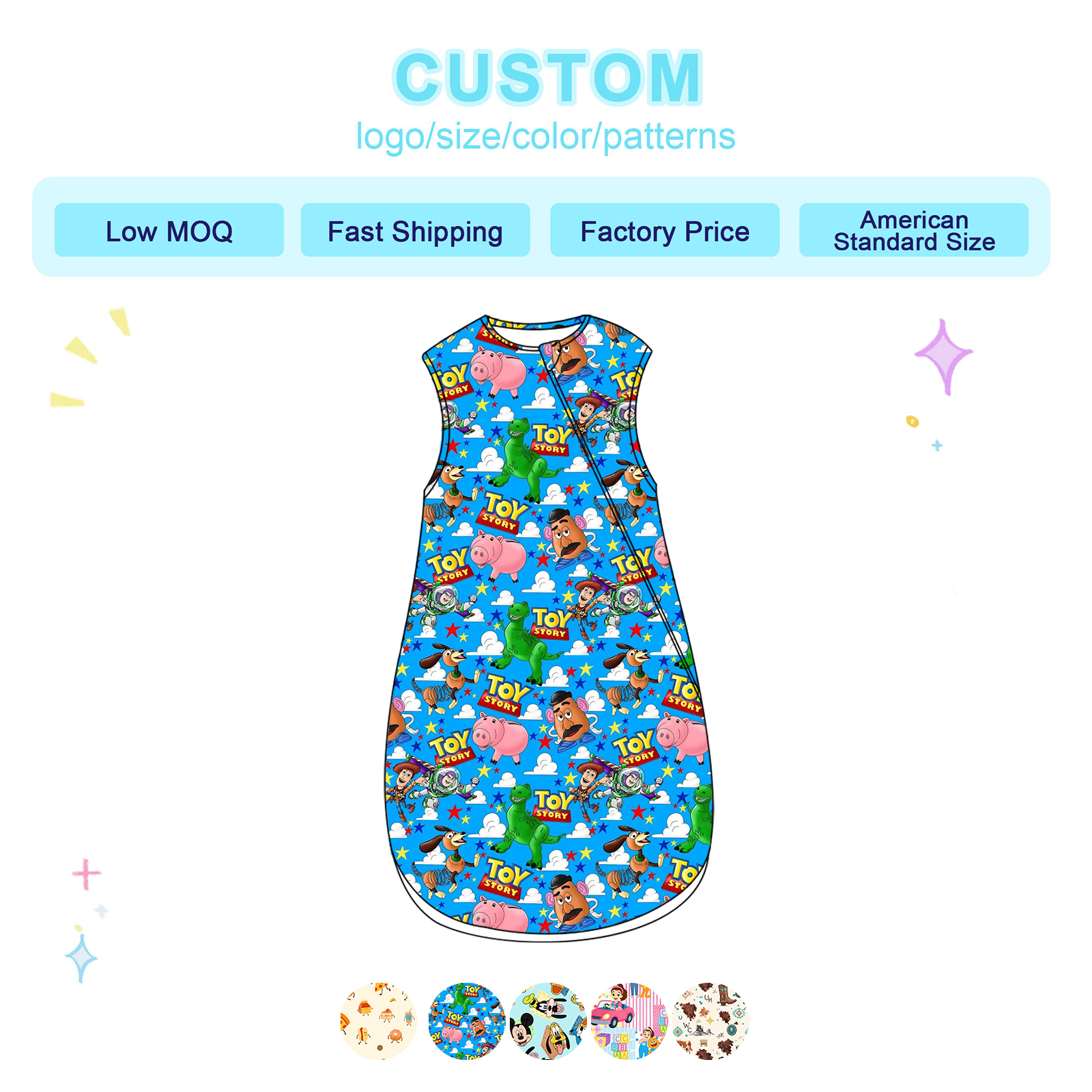
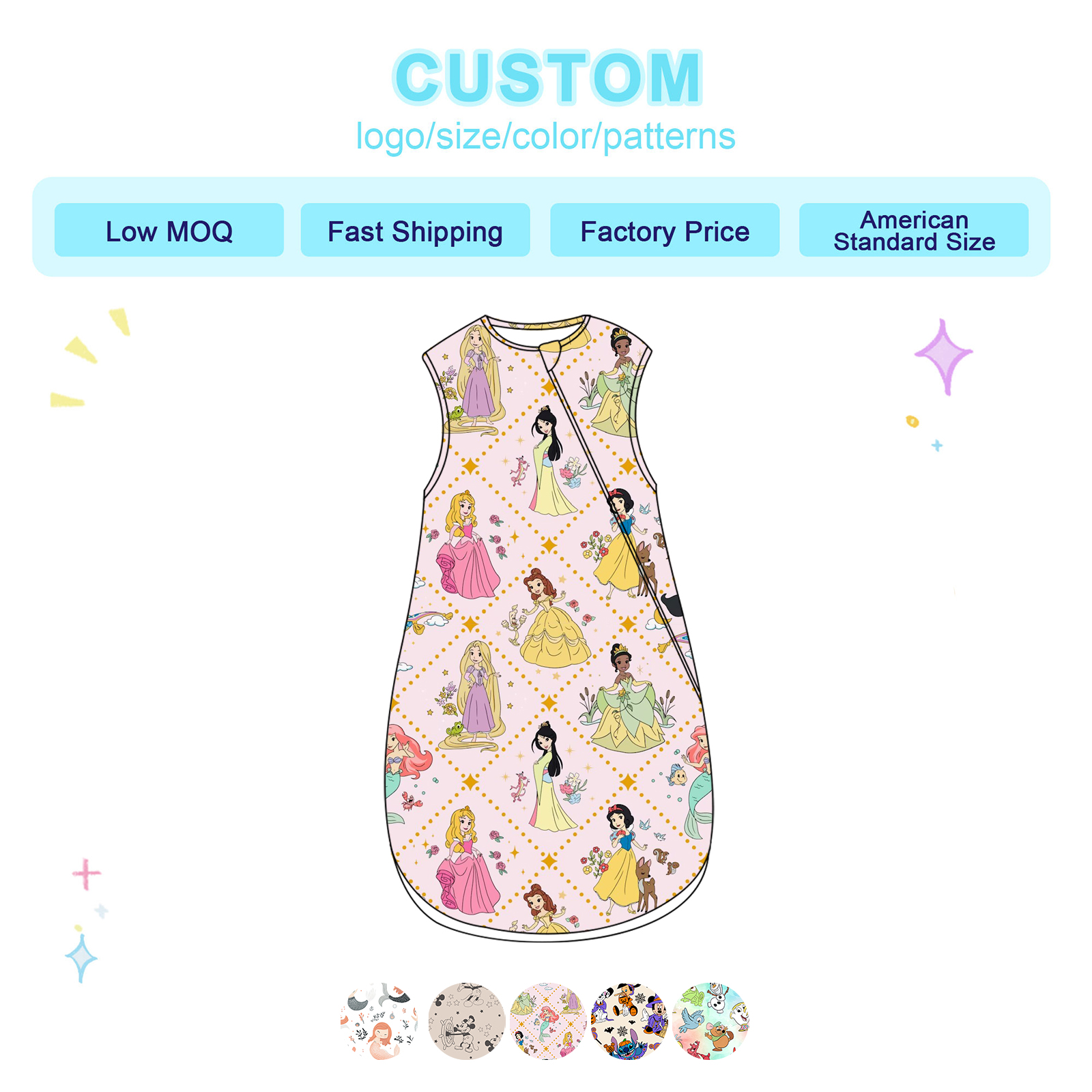
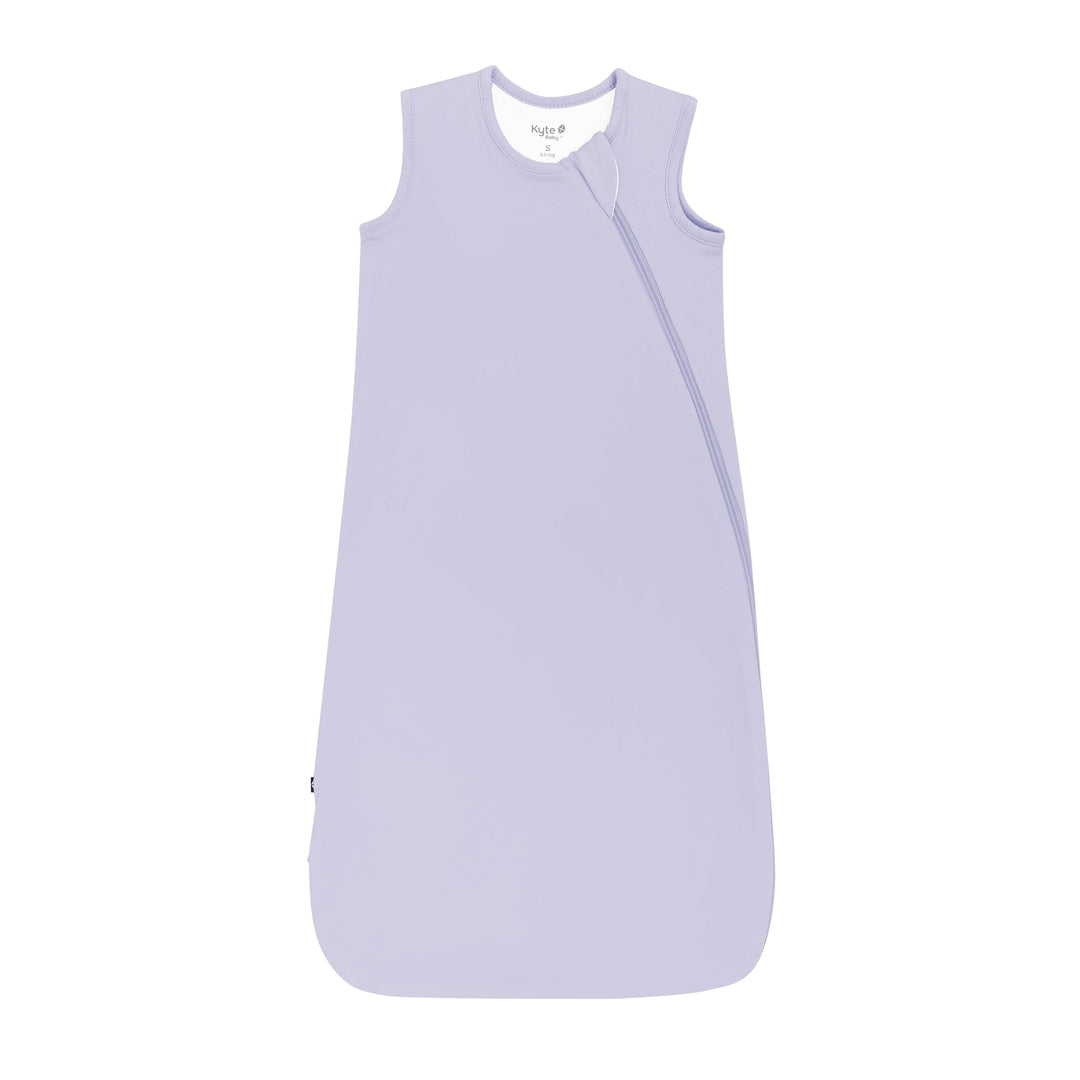
Eco Luxury Newborn Sleeping Bag Garment Plant Premium Hypoallergenic Certified Bamboo Fabrics
Baby sack Factory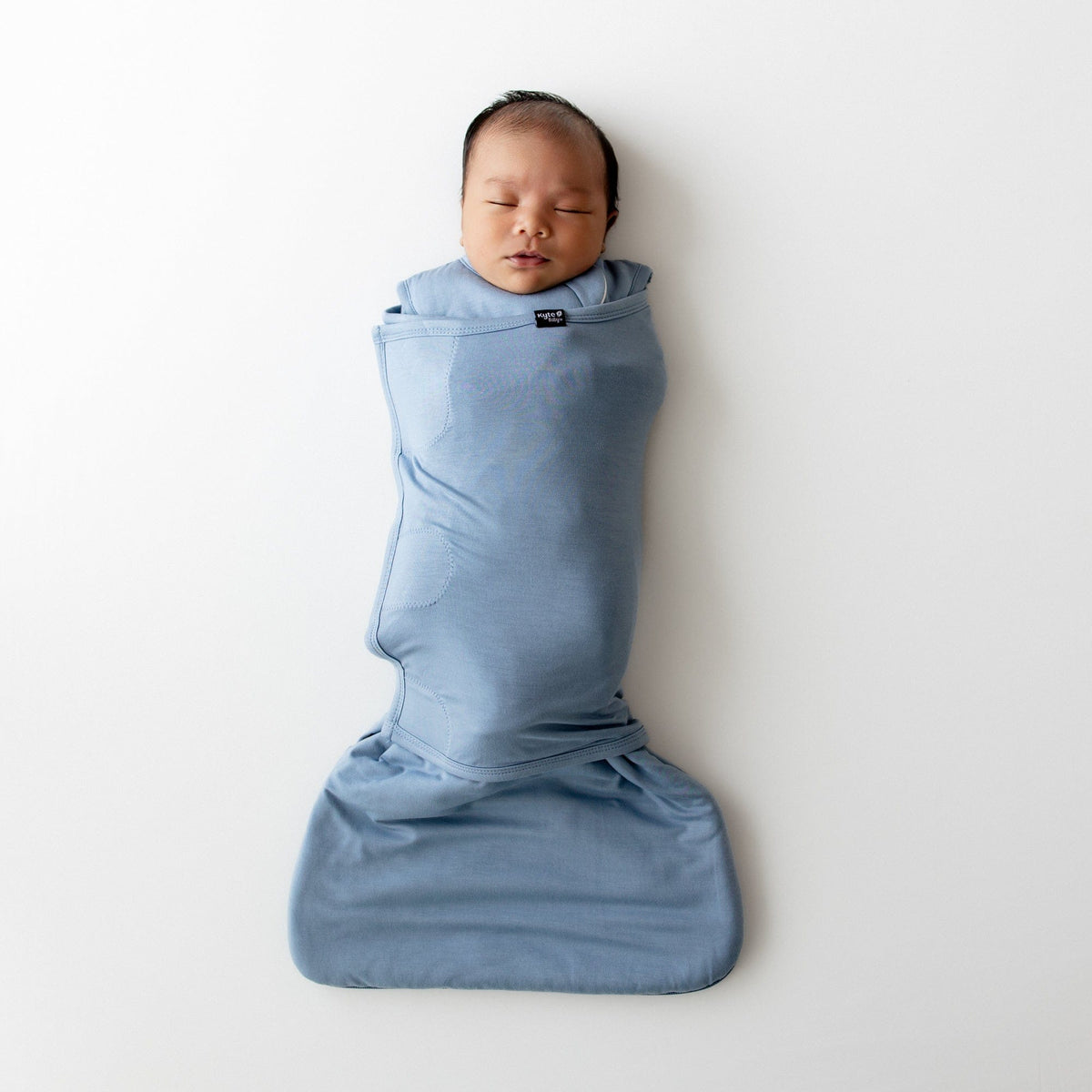
Introduction to Newborn Sleeping Bags
Newborn sleeping bags are essential for safe and comfortable infant sleep, offering a solution to loose blankets that pose risks of suffocation or overheating. As the global infant care industry continues to grow, newborn sleeping bags are gaining prominence among retailers, small businesses, and distributors. This guide provides B2B buyers with everything they need to know about sourcing high-quality newborn sleeping bags from trusted manufacturers, with a focus on international market access, compliance, and competitive advantages for retail success.
Understanding Core Buyer Needs
Safety and Compliance Standards
Buyers prioritize safety as it directly impacts consumer trust. Manufacturers need to meet stringent international regulations, including CPSIA guidelines for the U.S. and OEKO-TEX Standard 100 protocols in Europe. These standards ensure products are free from harmful substances and suitable for sensitive newborn skin. , CPC tracking labels are mandatory for U.S. customs clearance, facilitating traceability and safeguarding against legal risks.
Customizable Designs and Features
Retailers look for differentiated products to stand out in competitive markets. Offering various sizes, adjustable tog ratings for seasonal use, zipper safety covers, and organic fabric options provides strong selling points. Manufacturers who accommodate custom branding and packaging further empower buyers to appeal to their target audience.
Cost Efficiency Without Compromising Quality
International buyers seek competitive pricing paired with uncompromised product quality. Factories capable of optimizing production costs while maintaining superior craftsmanship and material standards are preferred. Transparency in pricing and clear communication throughout the process build lasting B2B relationships.
Key Manufacturing Standards for International Compliance
CPSIA Compliance for the U.S. Market
The Consumer Product Safety Improvement Act (CPSIA) ensures baby products meet strict safety and chemical guidelines. Manufacturers need to certify their materials as non-toxic and free from lead and phthalates. Additionally, CPC (Children’s Product Certificate) labels are crucial for smooth customs clearance in the U.S. Buyers should ensure their factory partners follow rigorous CPSIA compliance processes, backed by third-party testing.


OEKO-TEX Standard 100 for the European Market
The OEKO-TEX Standard 100 guarantees textiles are safe for human use, especially for newborns. Factories certified under this standard provide confidence that their materials meet strict European testing for harmful chemicals and allergens. Buyers catering to discerning European customers should demand certified products that reinforce their commitment to baby-safe merchandise.
Tracking and Product Labeling
Proper labeling is an often-overlooked aspect but is critical for international market access. Labels need to include batch numbers, manufacturing dates, and tracking information for customs clearance. Manufacturers with expertise in compliant labeling practices can eliminate customs-related risks for buyers while contributing to efficient supply chain logistics.

Competitive Manufacturing Advantages
Scalable Production Capacity
Factories with scalable production capabilities offer long-term benefits to buyers, especially for growing brands or large bulk distributors. Buyers should partner with manufacturers that employ advanced machinery, efficient workflows, and maintain consistent product quality across varied order volumes.
Eco-Friendly and Sustainable Practices
When sourcing newborn sleeping bag for international retail markets, premium quality is always guaranteed. Global demand for sustainable baby products is rising. Factories that use organic cotton, bamboo fibers, and eco-certification processes give buyers a competitive edge in providing environmentally conscious newborn sleeping bags. Supporting eco-friendly practices resonates with customers and establishes strong market differentiation.
| Fabric | Bamboo/Cotton |
| Compliance | Eco-Friendly Non-Toxic |
| MOQ | 10pcs |
Responsive Communication and Quality Assurance
Reliable factories prioritize transparency and swift communication. Buyers expect real-time updates throughout production, robust quality control protocols, and personalized service to ensure perfection in every order. Factories offering pre-shipping inspections and post-production monitoring build buyer trust and loyalty. This strategic alignment directly reflects our manufacturing standards for Eco Luxury Newborn Sleeping Bag Garment Plant Premium Hypoallergenic Certified Bamboo Fabrics.
As a leading manufacturing factory, our primary focus remains on high-quality newborn sleeping bag. Newborn sleeping bags are a growing necessity in global baby product markets, presenting lucrative opportunities for international buyers. By prioritizing safety compliance, customizable features, cost efficiency, and partnering with manufacturers who demonstrate competitive advantages, buyers can ensure market success while eliminating risks tied to customs and regulations. Factories that adhere to CPSIA and OEKO-TEX standards while incorporating sustainable practices position themselves as trusted allies in this thriving industry. For international entrepreneurs, mompreneurs, and distributors, choosing the right manufacturing partner is the key to delivering quality, safety, and differentiation to end customers.