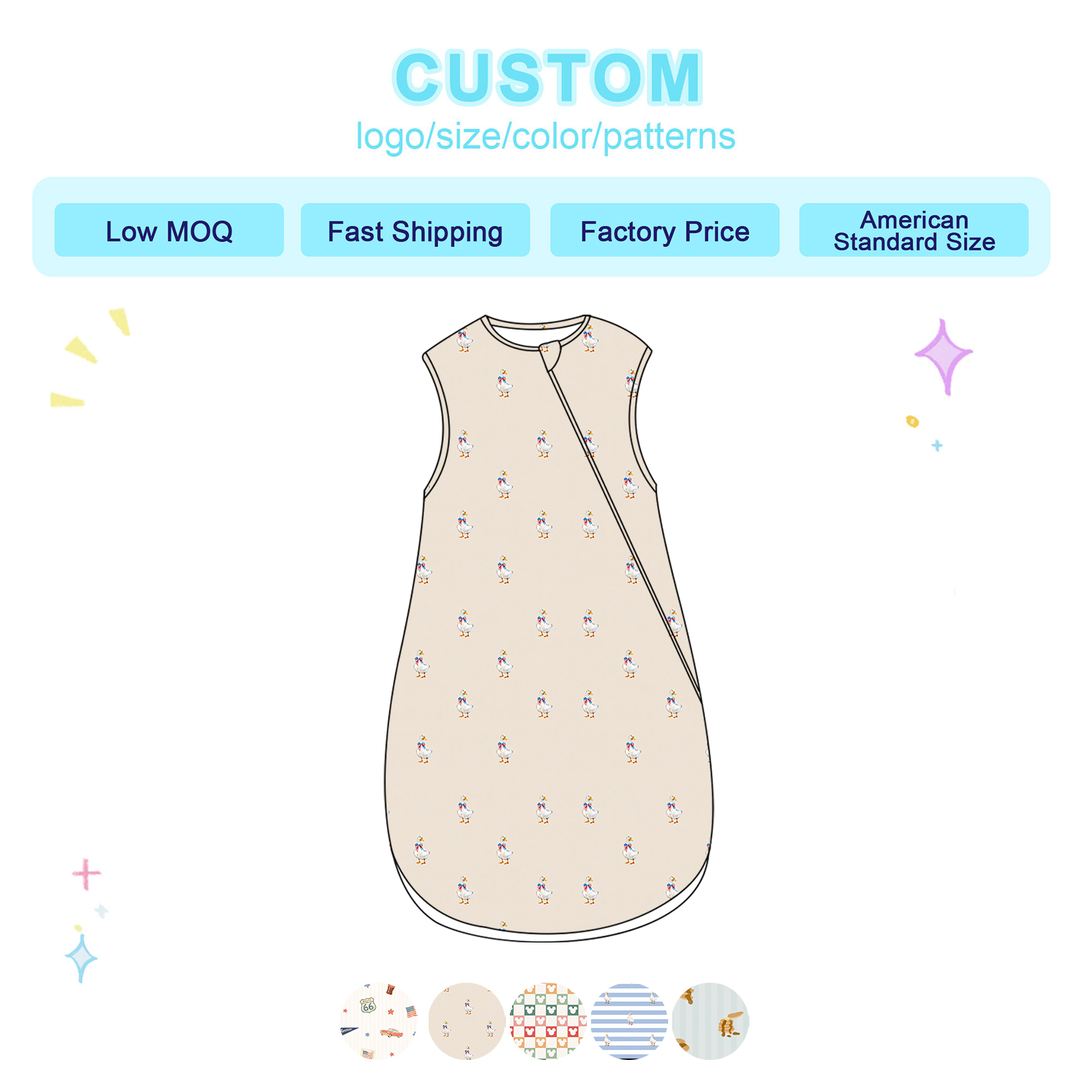
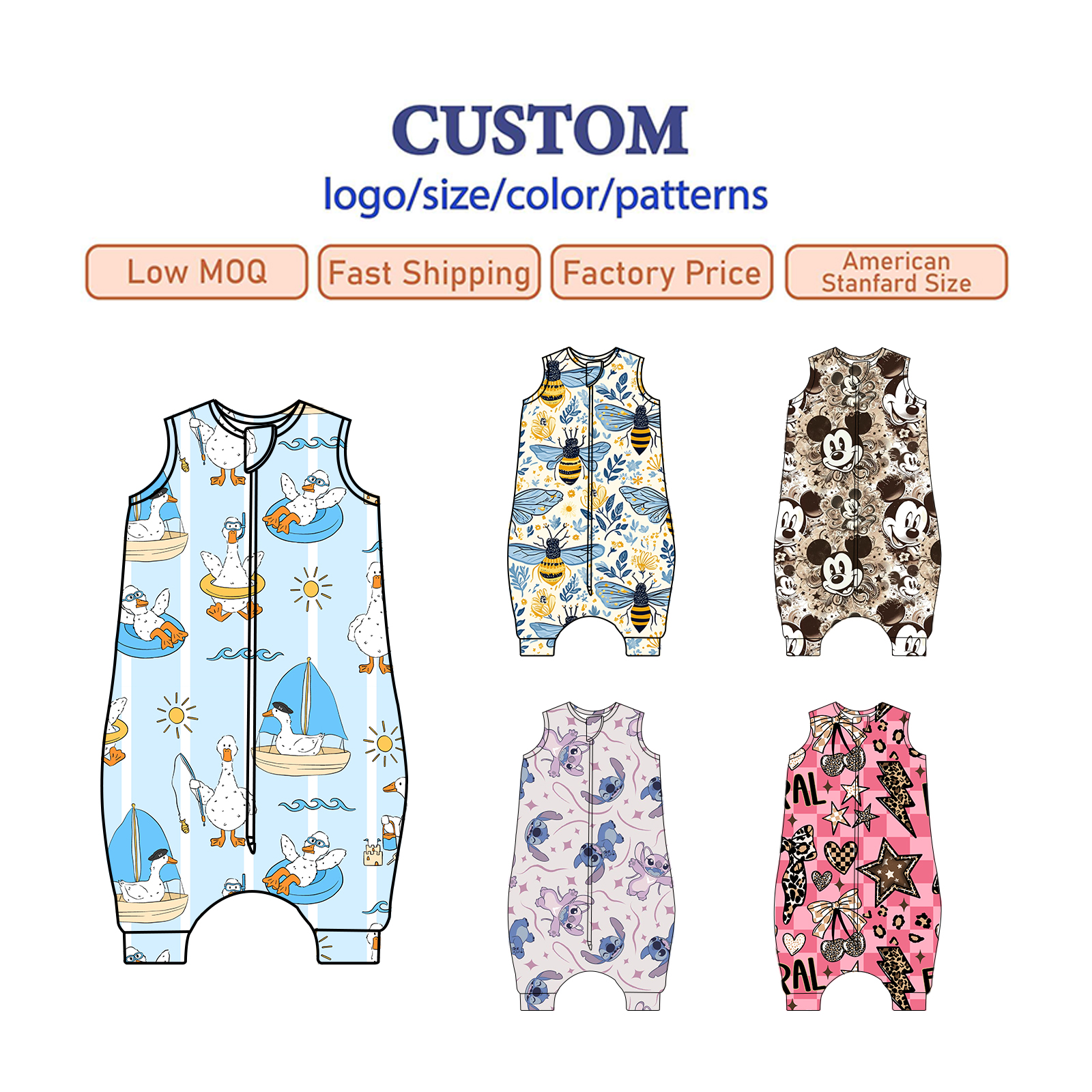
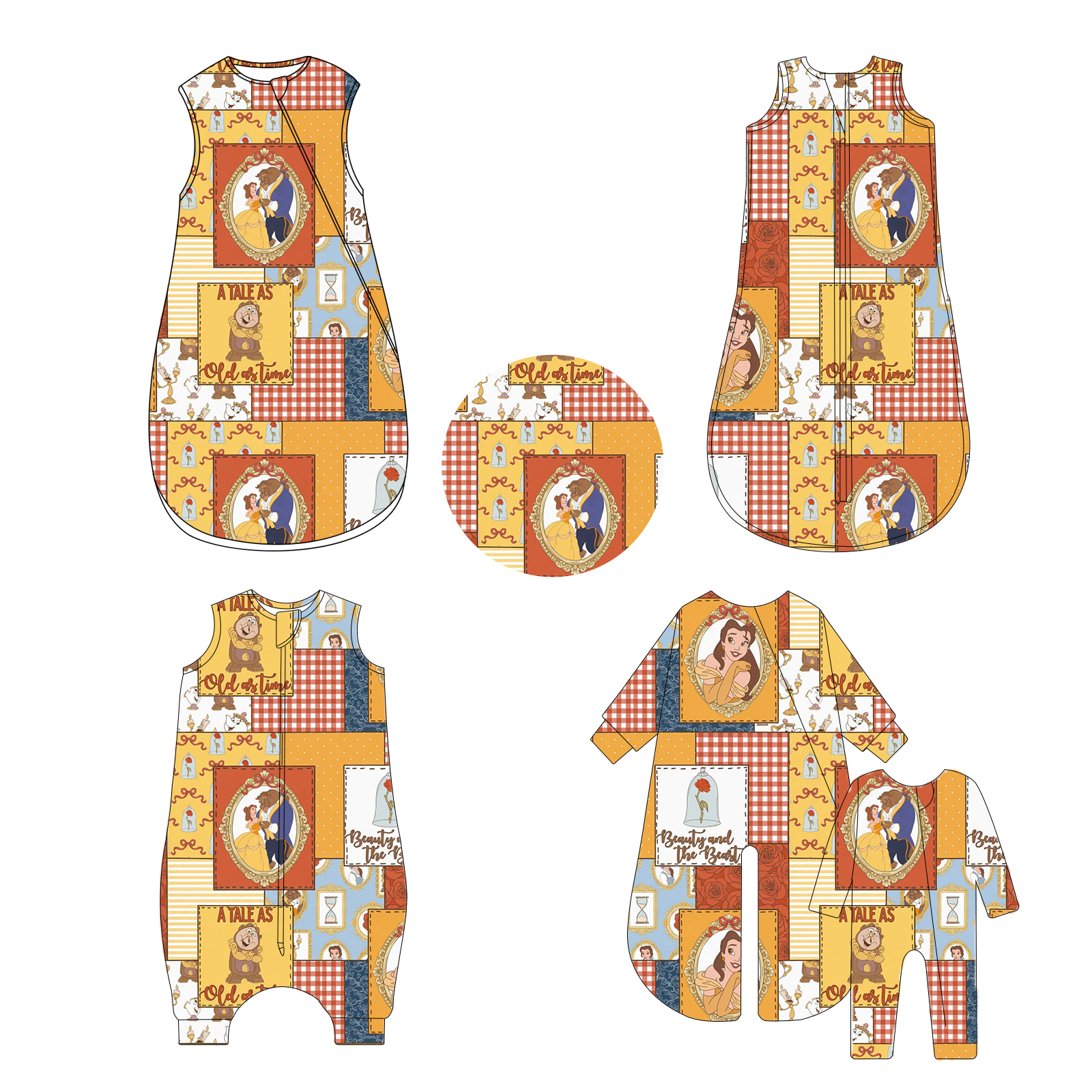
Fast Delivery Baby Sleeping Bags 2.5 Tog OEM Factory Supply Chain
Baby sack Factory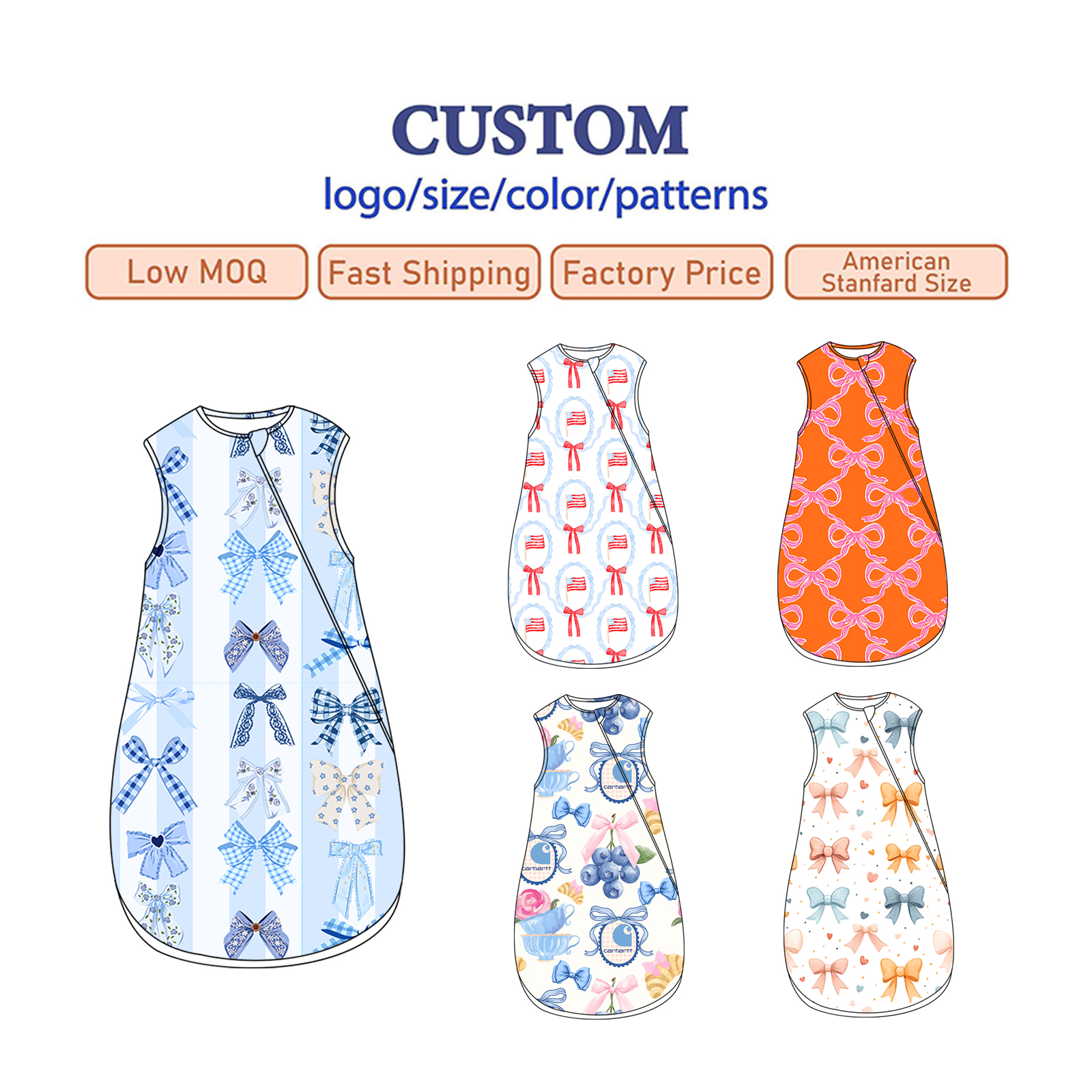
A Comprehensive B2B Guide to Baby Sleeping Bags 2.5 Tog
As an international buyer interested in baby sleeping bags, understanding the nuances of producing a premium quality product is critical for standing out in a competitive market. This guide provides valuable insights and considerations for sourcing, designing, and manufacturing baby sleeping bags rated 2.5 tog—a highly versatile warmth level. From raw material purity to compliance requirements, this article is designed to help entrepreneurs, boutique owners, and bulk distributors make informed decisions.


What Is a 2.5 Tog Baby Sleeping Bag?
A "tog" rating measures thermal resistance, indicating how effectively a sleeping bag traps heat. A 2.5 tog sleeping bag is ideal for year-round use in moderate room temperatures ranging from 16°C to 20°C (61°F to 68°F). These sleeping bags provide the perfect balance of warmth without overheating, making them a highly sought-after product among parents. Manufacturers targeting global buyers should focus on versatile designs, safe fabric options, and comfort-oriented features.
Optimal Raw Materials for 2.5 Tog Baby Sleeping Bags
Certified Hypoallergenic Combed Cotton
When manufacturing baby sleeping bags, fabric choice is essential, as newborn skin is particularly delicate. Certified hypoallergenic combed cotton is widely regarded as the gold standard due to its softness, breathability, and skin-safe properties. Combed cotton undergoes an additional refining process that removes impurities and shorter fibers, ensuring a smoother feel and reducing the risk of irritation. For B2B buyers, sourcing from factories that prioritize certified cotton aligns with parents' heightened expectations for baby products.
Sustainably Sourced Organic Bamboo Rayon
Organic bamboo rayon is another excellent fabric option for baby sleeping bags. Known for its silky texture and high moisture-wicking capabilities, bamboo rayon helps regulate a baby’s temperature while providing exceptional breathability. Buyers should prioritize factories that use bamboo sourced through sustainable farming practices to appeal to eco-conscious consumers. Additionally, organic bamboo rayon is naturally hypoallergenic, making it ideal for premium baby products.
Key Features Buyers Should Look for In Manufacturing
Safety Certifications and Compliance
Baby sleeping bags must adhere to rigorous safety standards to gain parents' trust and meet international regulations. Look for manufacturing partners that comply with certifications such as Oeko-Tex Standard 100, Global Organic Textile Standard (GOTS), and CPSIA for the U.S. market. These certifications verify that fabrics are free from harmful chemicals and allergens.
Attention to Craftsmanship and Quality Control
Infants' sleeping bags must be durable yet comfortably lightweight. Buyers should partner with manufacturers who excel in quality control processes—such as double-stitched seams and precision sizing—to ensure longevity. Features such as YKK zippers, adjustable armholes, and unique designs further add value to the product from both an aesthetic and practical standpoint.
Scalability and Customization Options
Scaling baby sleeping bag production while maintaining customization is key for B2B success. Whether targeting boutique retailers, mompreneurs, or large-scale distributors, buyers should look for manufacturers who offer flexible production volumes and bespoke options. Customizable features include private labeling, personalized embroidery, seasonal color palette choices, and unique packaging designs. Factories delivering prompt lead times and flexible batch volumes will give buyers a competitive edge in their respective markets.
Competitive Manufacturing Edges to Drive Profitability
Focus on Sustainability
When sourcing baby sleeping bags 2.5 tog for international retail markets, premium quality is always guaranteed. Modern consumers increasingly gravitate toward eco-friendly brands. Partnering with manufacturers that use ethically sourced materials, minimize energy consumption, and employ sustainable production methods enhances a product’s appeal. Buyers catering to eco-conscious parents can turn sustainability into a powerful competitive advantage.
Lower Shipping Costs and Logistics Efficiency
Factories located strategically near major shipping hubs can help reduce transportation costs—a significant contributor to overhead in B2B operations. Buyers should also look for manufacturers experienced in handling international export regulations, ensuring smooth cross-border delivery and timely fulfillment of bulk orders.
| Fabric | Bamboo/Cotton |
| Compliance | CPSIA Compliant |
| MOQ | 10pcs |
Baby sleeping bags rated 2.5 tog represent a lucrative product category for B2B buyers, offering year-round versatility, high parental demand, and the opportunity for sustainable differentiation. By prioritizing raw material purity, advanced safety certifications, and scalable customization options, entrepreneurs, boutique retailers, and bulk distributors can maintain a competitive edge in the global baby clothing market. Build trust with your target audience by partnering with a reputable manufacturer that shares your commitment to quality and innovation.