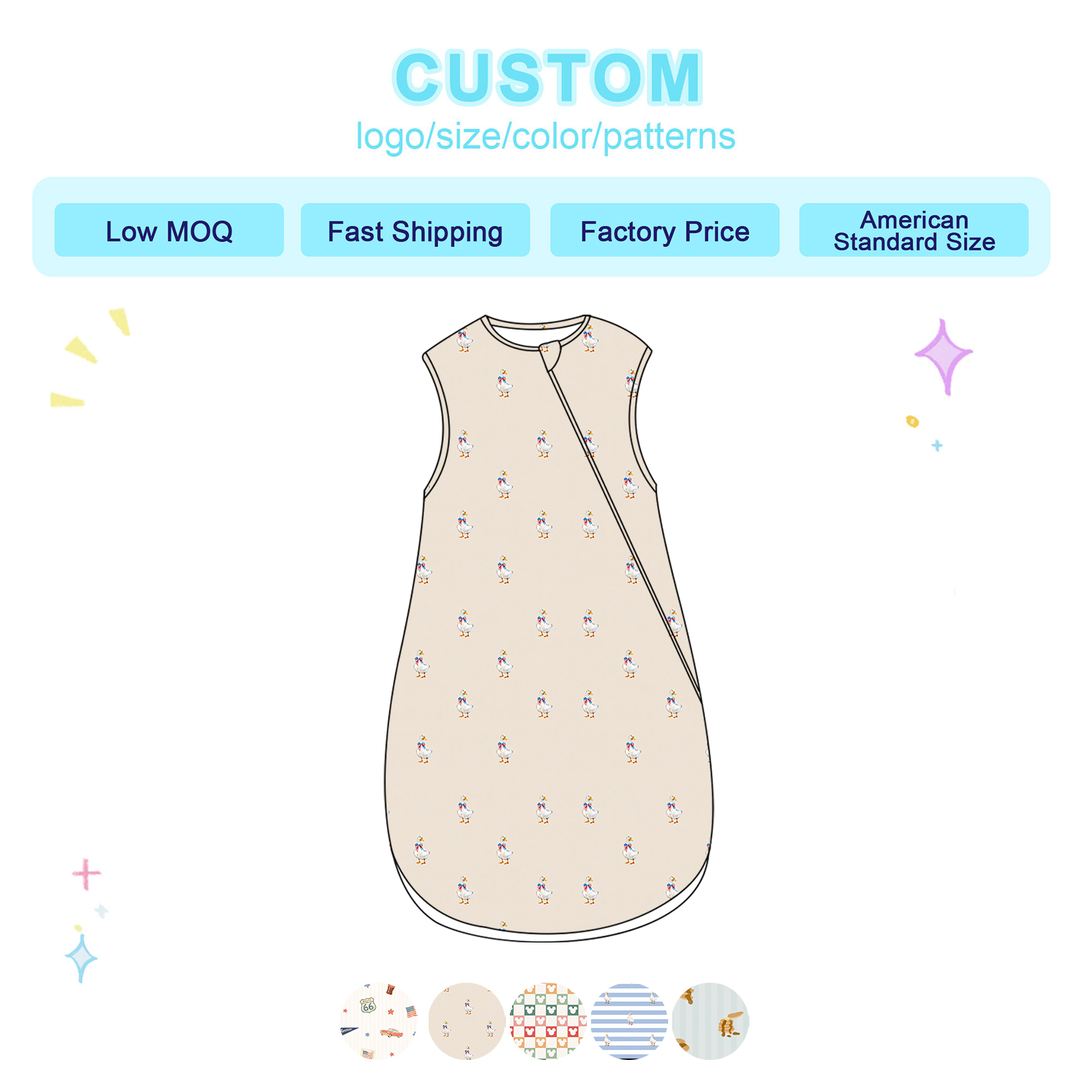
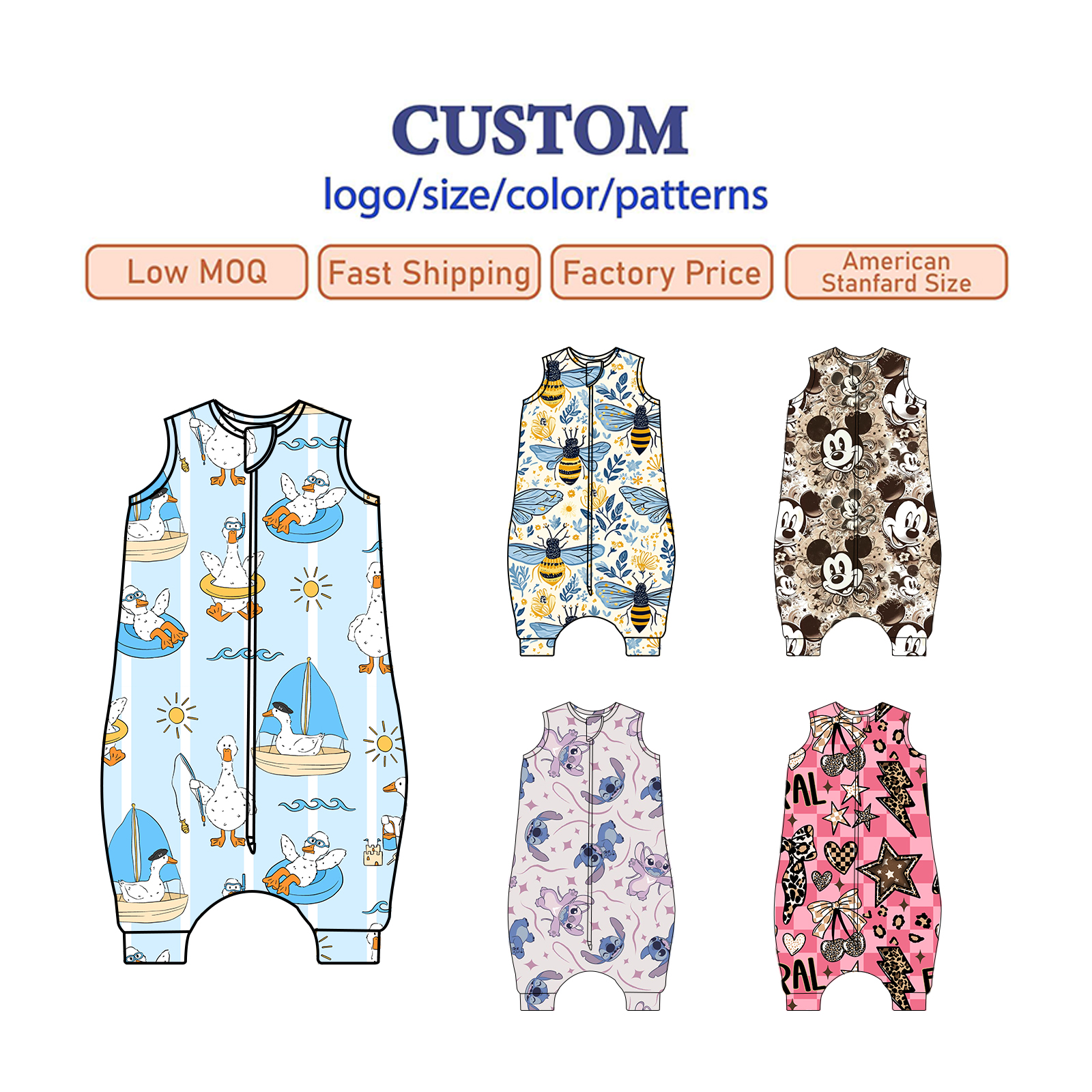
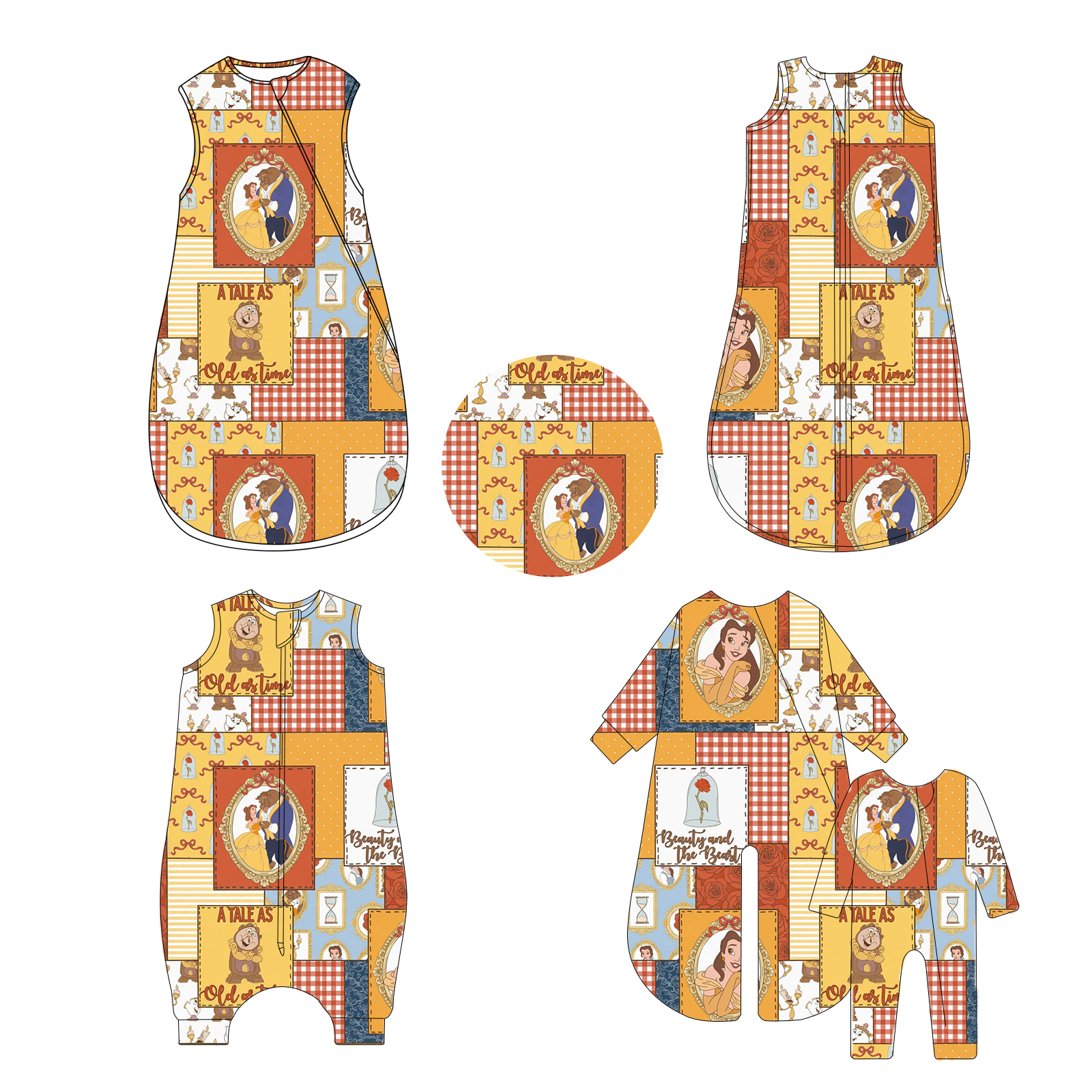
Garment Plant Professional Wearable Baby Blanket For Winter Manufacturing
Baby sack Factory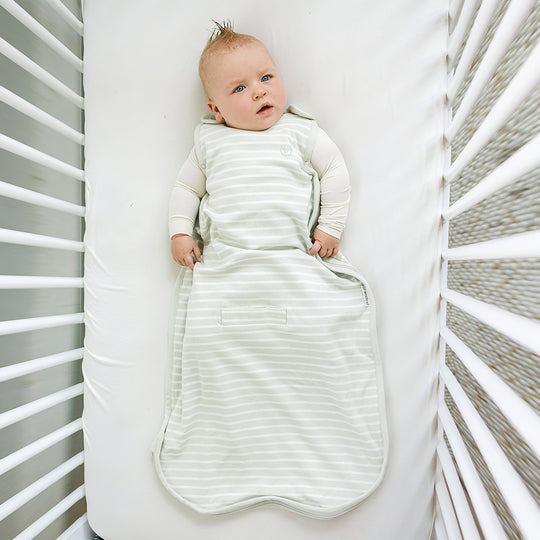
The Ultimate B2B Guide to Manufacturing Wearable Baby Blankets for Winter
As global demand for safe and functional baby apparel continues to rise, wearable baby blankets for winter have become a staple product for both boutique retailers and large-scale distributors. In this guide, we’ll delve into the key considerations for international buyers, focusing on compliance, quality assurance, and the competitive advantages of partnering with trusted manufacturers. Whether you're a Shopify entrepreneur or a bulk distributor, this structured guide will help you make informed decisions about sourcing wearable baby blankets for winter.
Understanding the Market Demand for Wearable Baby Blankets
Why Wearable Baby Blankets Are Gaining Popularity
Wearable baby blankets are a practical and safe alternative to loose blankets, especially during colder months. They offer parents peace of mind by reducing the risk of suffocation or overheating, while keeping babies cozy. With the growing awareness of infant safety standards, these products are quickly becoming non-negotiable for modern consumers.
Target Consumer Demographics
Buyers in this category include new parents, families in colder climates, and gift-giving markets. International purchasers should prioritize product designs that cater to varying consumer preferences, such as organic materials for eco-conscious buyers or hypoallergenic fabrics for sensitive skin.
Key Compliance Standards for International Market Access
1. United States CPSIA Guidelines
The Consumer Product Safety Improvement Act (CPSIA) sets strict regulations for children's products sold in the U.S. Manufacturers of wearable baby blankets must ensure that all materials used are free from harmful chemicals like lead and phthalates. Additionally, your factory must provide a Children’s Product Certificate (CPC), tracking labels, and test reports to demonstrate compliance with the law.
2. European OEKO-TEX Standard 100
For the European market, adherence to OEKO-TEX Standard 100 is crucial. This certification guarantees that every component of the wearable blanket—fabric, zippers, threads—has been tested for harmful substances. Products certified under this standard meet international human-ecological safety requirements.
3. Other Regional Standards
As a leading manufacturing factory, our primary focus remains on high-quality wearable baby blanket for winter. If you're targeting markets beyond North America and Europe, such as Australia, Japan, or the Middle East, you’ll need to adapt to their unique standards. Always work with a manufacturer experienced in multi-region compliance to minimize customs clearance risks and delays.

Core Pain Points for Buyers and How to Address Them
Pain Point 1: Compliance Risks and Customs Delays
Nothing halts a launch like a shipment detained at the border due to non-compliance. Partner with manufacturers who provide full compliance documentation, including CPSIA certificates, OEKO-TEX certification, and region-specific label requirements. Pre-production sampling and third-party testing can also mitigate risks.

Pain Point 2: Product Quality Consistency
Inconsistent quality can tarnish your brand. Ensure your chosen factory carries robust quality assurance protocols, from raw material inspection to final product audits. Look for manufacturers employing advanced technologies like automated fabric inspection machines and skilled manual checkers.
Pain Point 3: MOQ (Minimum Order Quantities)
Small business retailers and boutique owners often struggle with high MOQs. Communicate your order needs upfront and collaborate with factories offering flexible MOQs for smaller B2B clients. This allows you to test new designs or enter a new product category without overcommitting to inventory.
Competitive Manufacturing Advantages to Look For
1. Sustainable and Safe Materials
With sustainability driving purchasing behaviors globally, choose a manufacturer that offers eco-friendly options such as organic cotton, bamboo fibers, or GOTS-certified materials. Highlight these features to your customers to differentiate your product line.
2. Customization and Private Labeling
To build a unique brand identity, work with factories experienced in custom designs and private labeling. Customization options can include embroidery, personalized prints, or custom packaging tailored specifically to your branding guidelines.
| Fabric | Bamboo/Cotton |
| Compliance | CPC Certified |
| MOQ | 10pcs |
3. Strategic Production Scaling
An experienced baby clothing manufacturer should offer scalable production solutions to match your business growth. Whether you’re starting with a few hundred pieces or scaling to tens of thousands, a factory with a proven capacity for growth will streamline your operations.

Ensuring Smooth International Logistics
Freight Options and Incoterms
Choose a manufacturing partner who provides comprehensive freight support, including FOB, CIF, and DDP incoterms. This ensures smoother customs clearance and reduces unexpected costs. Factories with experience in international logistics can provide tailored shipping solutions based on your destination country.
Quality Packaging for Durability
Proper packaging is essential for protecting your goods during transit. Look for manufacturers offering protective, eco-friendly packaging that maintains product integrity while appealing to environmentally conscious consumers.
Why Choose a Trusted Baby Clothing Manufacturer?
A trusted baby clothing manufacturer ensures compliance with international safety standards, consistent product quality, and scalability alongside competitive pricing. By partnering with a reliable factory, you can confidently serve your customers and strengthen your position in the winter baby apparel market.
Final Thoughts
Investing in wearable baby blankets for winter is a lucrative opportunity for international buyers. However, success lies in choosing a manufacturer that offers rigorous compliance, quality assurance, and a proven ability to meet your business needs. By following this guide, you’ll be better equipped to navigate product development and build a strong supply chain that supports your long-term business growth.