Mass Production Baby Swaddle Sleep Sack Bamboo Supplier Scalable Solutions for Big Brands
Baby sack Factory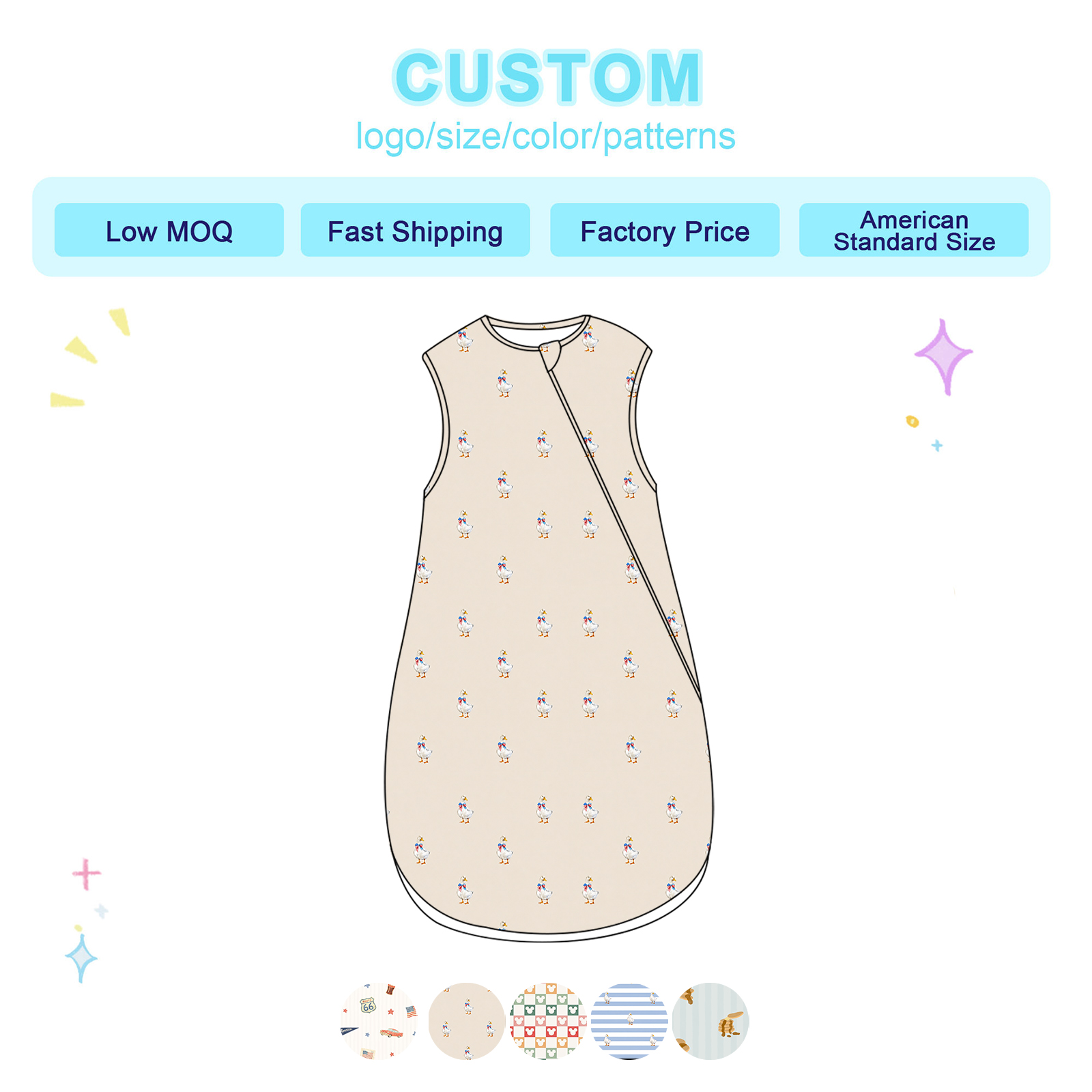
Essential B2B Guide to Bamboo Baby Swaddle Sleep Sacks
As international buyers in the baby clothing sector seek premium-quality products that meet compliance and demand, bamboo baby swaddle sleep sacks have emerged as a leading choice. Their ultra-soft texture, breathable properties, and natural sustainability appeal to both eco-conscious parents and safety-first retailers. This guide offers a deep dive into manufacturing these high-demand items for buyers—including boutique owners, e-commerce entrepreneurs, and large-scale distributors—while ensuring full compliance with international regulations for risk-free market entry.
Why Choose Bamboo for Baby Swaddle Sleep Sacks?
1. Value Proposition: Soft, Sustainable, and Safe
When sourcing baby swaddle sleep sack bamboo for international retail markets, premium quality is always guaranteed. Bamboo rayon is a top-tier fabric for baby products due to its unparalleled softness, moisture-wicking properties, and hypoallergenic qualities. Unlike conventional cotton, bamboo is sourced sustainably, making it a perfect market fit in today’s eco-conscious business climate. These features lend significant value to international buyers who aim to position themselves as premium baby lifestyle brands.
2. High Perceived Value Among Parents
Modern buyers are increasingly drawn to baby products that combine comfort, eco-friendliness, and practicality. Bamboo baby swaddle sleep sacks provide superior thermal regulation, keeping babies comfortable regardless of climate—a feature that resonates well across global markets. This high perceived value translates to higher margins for retailers and distributors alike.

Manufacturing Standards and Compliance for International Market Access
Manufacturing baby swaddle sleep sacks in today’s globalized supply chain requires strict regulatory adherence. A failure to comply with safety standards can result in customs delays, penalties, and tarnished brand reputation. Here are the key certifications your factory must guarantee for seamless market entry:
1. CPSIA Compliance for US Markets
The U.S. Consumer Product Safety Improvement Act (CPSIA) mandates strict guidelines for children's products. Swaddle sleep sacks must be third-party tested to confirm they’re free from phthalates, lead, and other hazardous substances. Factories must also provide a Children’s Product Certificate (CPC) with traceable tracking labels to ensure full transparency. Buyers importing to the US should demand documented proof of CPSIA compliance to avoid customs issues and potential recalls.
2. OEKO-TEX Standard 100 for Europe
The European market emphasizes chemical safety and sustainability, making OEKO-TEX Standard 100 a critical certification for baby textiles. This certification ensures the fabric and materials used in bamboo swaddle sleep sacks are free from harmful substances and safe for direct contact with infant skin. Factories should conduct annual audits, dye-testing, and process inspections to maintain steady compliance, guaranteeing zero disruptions for European importers.

3. Allergen-Free Dyes and Sustainable Practices
Beyond formal certifications, modern buyers demand eco-dyes and sustainable manufacturing processes. The use of non-toxic, formaldehyde-free dyes ensures the product is both allergen-friendly and aligned with global green initiatives. Factories should adopt practices like low-water dyeing and waste recycling to bolster product appeal among environmentally-minded retailers.
Addressing Buyers’ Core Pain Points
1. Quality Assurance and Audit Transparency
International buyers often face challenges verifying product quality from overseas factories. To ease concerns, every production batch should include rigorous quality inspections with detailed reports. Professional-grade factories also welcome third-party audits to provide an added layer of trust and transparency.
2. MOQ Flexibility for Scalable Growth
Entrepreneurs and small-scale boutique owners often face high minimum order quantity (MOQ) barriers when negotiating with manufacturers. To capture more clients, factories can implement MOQ flexibility while offering scalable production options for expanding brands. A balanced approach ensures you cater to both emerging retailers and bulk distributors.
3. Competitive Pricing Without Compromising Standards
Price sensitivity remains a significant concern for B2B buyers. While bamboo fabrics and certifications may raise production costs, manufacturers can optimize raw material sourcing, streamline workflow, and leverage economies of scale. Transparent pricing policies also improve trust and foster long-term client relationships.
Custom Design and Private Labeling Services
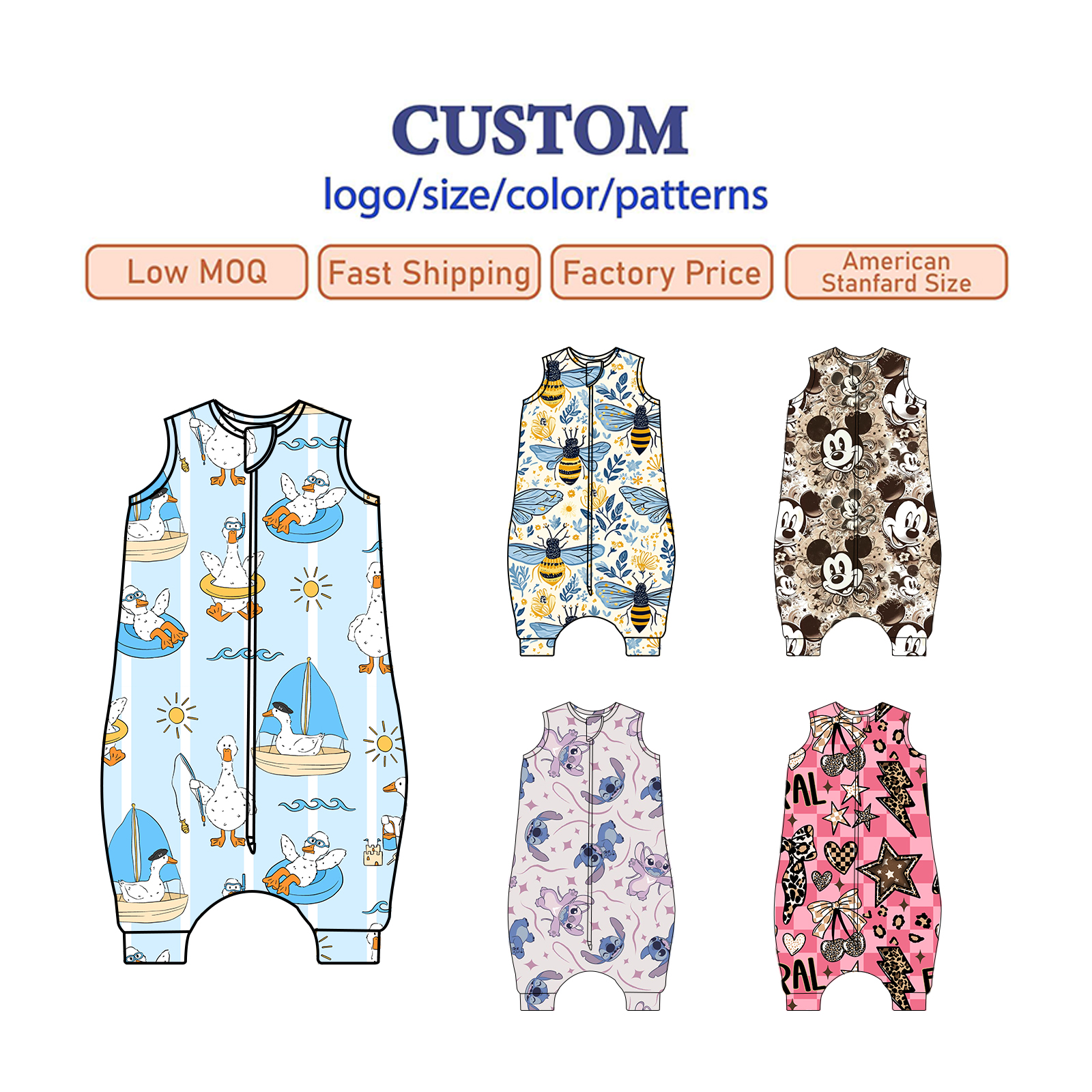
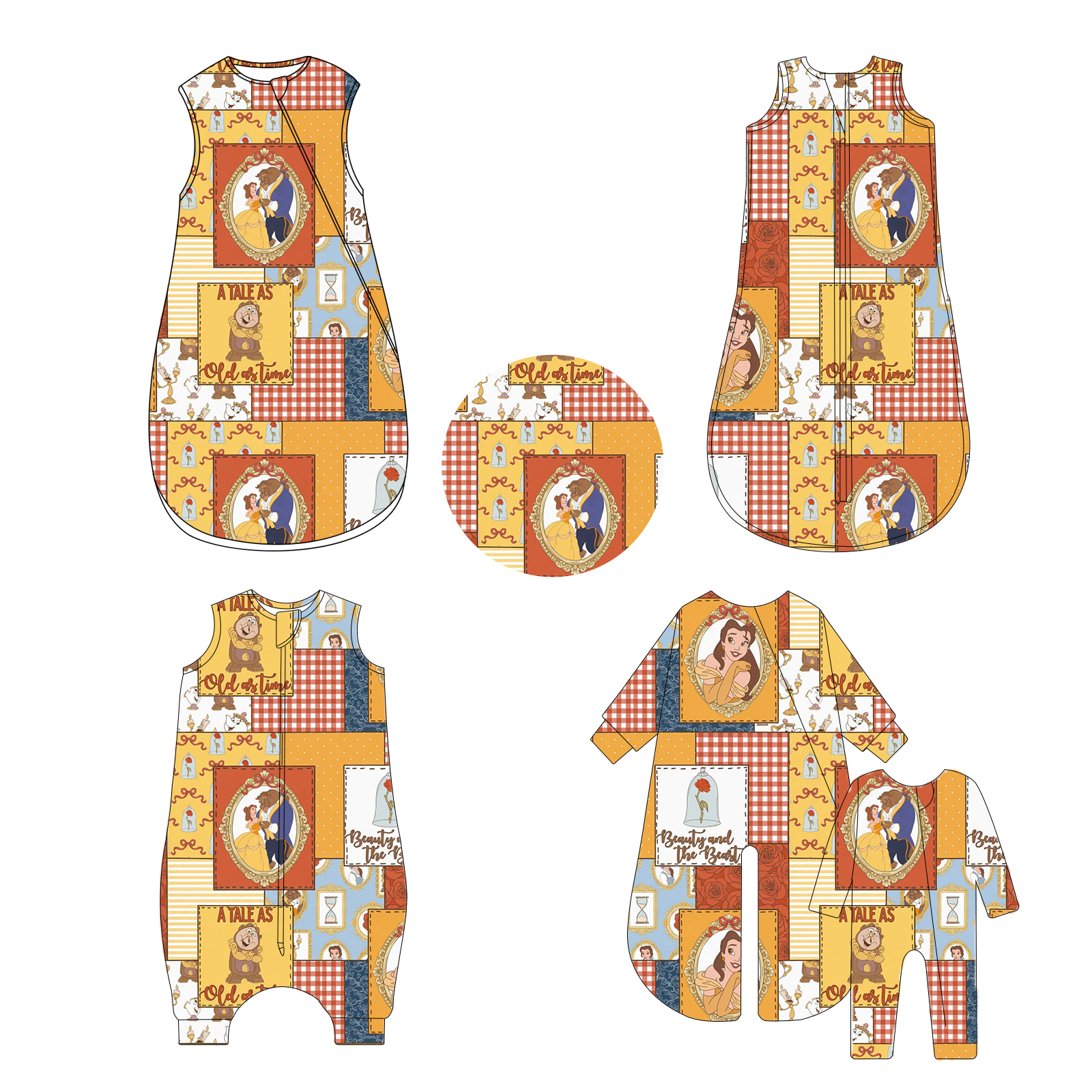
Private labeling remains a critical factor for many international buyers seeking to develop unique brand identities. Manufacturers should offer end-to-end private labeling services, including custom prints, embroidery, trims, and branded packaging. For businesses expanding into branding, this value-added service creates a significant competitive edge in crowded marketplaces like Amazon, Shopify, and boutique platforms.
Strategic Shipping, Logistics, and Risk-Free Customs Clearance
1. Optimized Supply Chain Operations
A factory’s ability to streamline production timelines and meet international shipping deadlines is critical. Buyers planning omnichannel distribution or seasonal launches require precision in delivery scheduling to maintain brand loyalty and avoid loss of revenue. Aim for flexible lead times between 30-60 days, depending on order size and complexity.
| Fabric | Bamboo/Cotton |
| Compliance | Hypoallergenic Certified |
| MOQ | 10pcs |
2. Compliance Documentation for Customs
Risk-free customs clearance begins with detailed documentation. Factories should include all relevant certifications, lab testing reports, and shipping documentation (e.g., Bill of Lading, Commercial Invoice, Packing List) for each order. Proactive compliance guarantees smooth border crossings, saving clients time and money. This strategic alignment directly reflects our manufacturing standards for Mass Production Baby Swaddle Sleep Sack Bamboo Supplier Scalable Solutions for Big Brands.
3. Freight Cost Efficiencies
Partner with freight forwarders who specialize in international shipments of baby products to reduce shipping costs and guarantee protection from transit damages. Offer buyers choices between air freight for expedited delivery and sea freight for more cost-effective bulk orders.
: Building Mutual Success for the Global Market
The demand for bamboo baby swaddle sleep sacks is on the rise, driven by their combination of comfort, sustainability, and safety. For international buyers, partnering with a trusted factory that ensures complete compliance—including CPSIA and OEKO-TEX certifications—while offering customizable designs and scalable order options is paramount. By choosing a manufacturer aligned with your brand’s values and operational requirements, you position your business for long-term growth and global market success.
Whether you are a boutique owner looking to expand your product line or a bulk distributor seeking efficiency and quality, bamboo swaddle sleep sacks represent a lucrative opportunity rooted in consumer trust and demand.