Seamless Newborn Baby Sleeping Bag Private Label with Standard 100 by OEKO TEX Compliance
Baby sack Factory
Guide to Newborn Baby Sleeping Bags: A Valuable Investment for B2B Buyers
Newborn baby sleeping bags have become a staple product among parents due to their functionality, safety, and ability to ensure uninterrupted sleep for infants. For business-to-business (B2B) buyers such as small retailers, boutique owners, Shopify entrepreneurs, and large-scale distributors, sourcing high-quality sleeping bags that cater to the unique needs of newborns can be a lucrative addition to their product portfolio. This guide explores essential factors to consider when sourcing newborn sleeping bags, focusing on material safety, breathability, and competitive manufacturing advantages.
Understanding the Importance of Raw Material Purity
Hypoallergenic Combed Cotton: A Trusted Solution
Newborns have delicate and sensitive skin, making material choice a critical factor in product development. Combed cotton is widely regarded in the industry for its hypoallergenic properties, smooth texture, and softness. By undergoing a purification process to remove short fibers and impurities, combed cotton ensures maximum comfort while minimizing allergic reactions. Sourcing certified hypoallergenic combed cotton is a must-have feature for buyers wishing to target quality-conscious parents.
Sustainable Organic Bamboo Rayon for Enhanced Skin Safety
Another highly sought-after material in premium newborn sleeping bags is organic bamboo rayon. Known for its sustainability, bamboo rayon provides unmatched breathability and temperature regulation, ensuring newborns stay comfortable throughout all seasons. Its smooth, silky feel reduces skin irritation and moisture buildup, making it ideal for infants prone to rashes or sensitive skin concerns. International buyers should ensure the bamboo rayon used in manufacturing is certified organic and responsibly sourced.
Key Benefits of Premium Newborn Sleeping Bags
Ensuring Skin Comfort and Safety
The primary purpose of newborn sleeping bags is to create a safe and snug environment for infants during sleep. Using hypoallergenic and breathable materials not only prevents common skin irritation issues but also reduces overheating risks, which can be a major concern for parents. Highlighting these safety features is important for B2B buyers looking to differentiate their offerings in competitive markets.

Convenience for Parents
Newborn sleeping bags are thoughtfully designed to simplify nighttime routines for parents. Features such as easy-zip closures, adjustable sizing, and machine-washable materials make them a practical choice for busy households. Manufacturers offering customizability in closures or designs can attract innovative retailers who aim to provide unique products to their customers.
Competitive Manufacturing Edges to Look For
Certifications and Compliance
International buyers should prioritize working with manufacturers that maintain robust certifications and comply with regulatory standards such as OEKO-TEX, GOTS (Global Organic Textile Standard), and CPSIA (Consumer Product Safety Improvement Act). These certifications ensure that fabrics and production processes meet stringent health and environmental requirements, establishing trust and credibility among end consumers.
State-of-the-Art Production Facilities
Factories with advanced production facilities, such as automated cutting-edge machinery and environmentally friendly dyeing processes, often deliver higher-quality products at scale. Buyers should inquire about the factory’s production capacity, lead times, and adherence to sustainability practices. This transparency can make bulk purchasing more streamlined while meeting wholesale demands efficiently.
Customization Opportunities
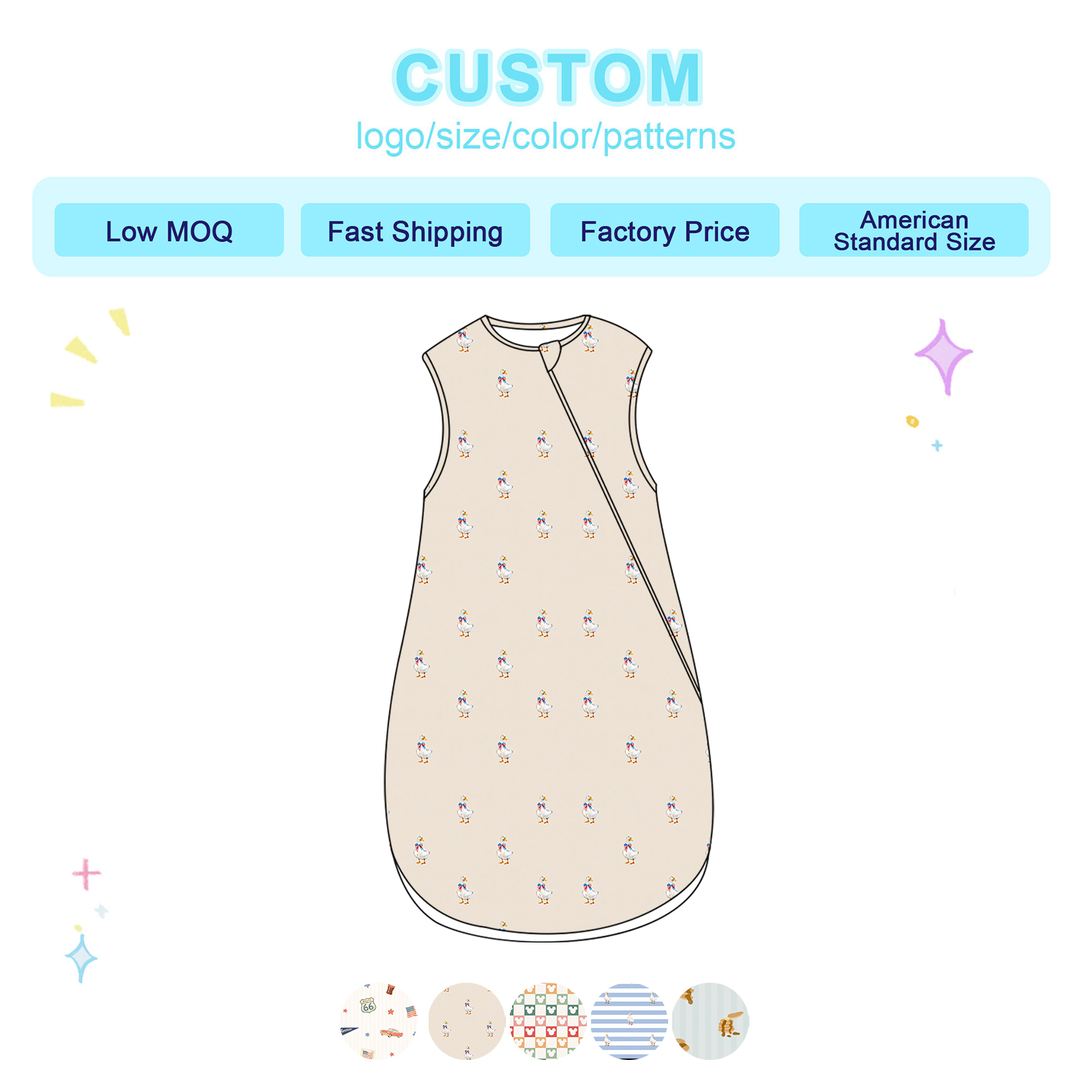
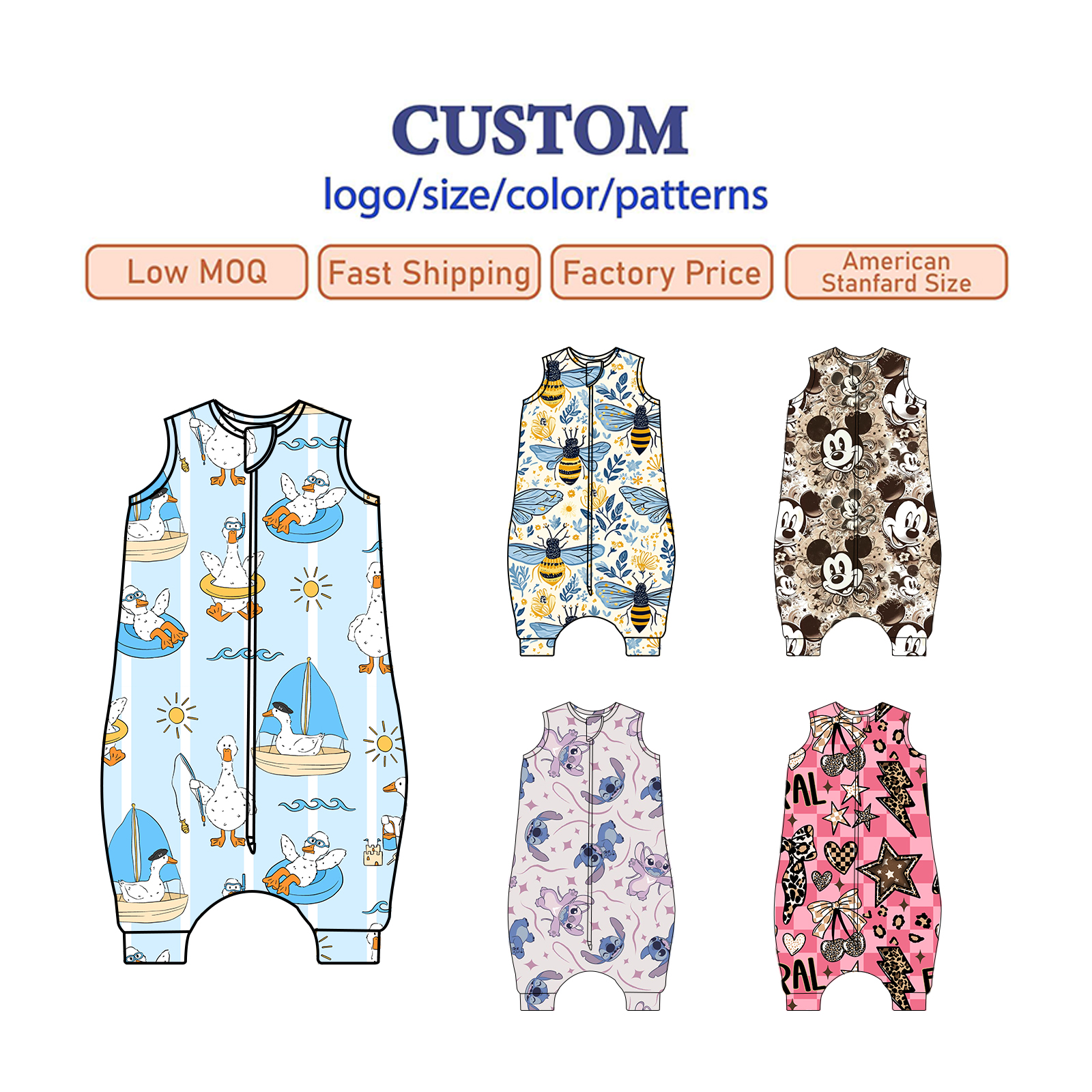
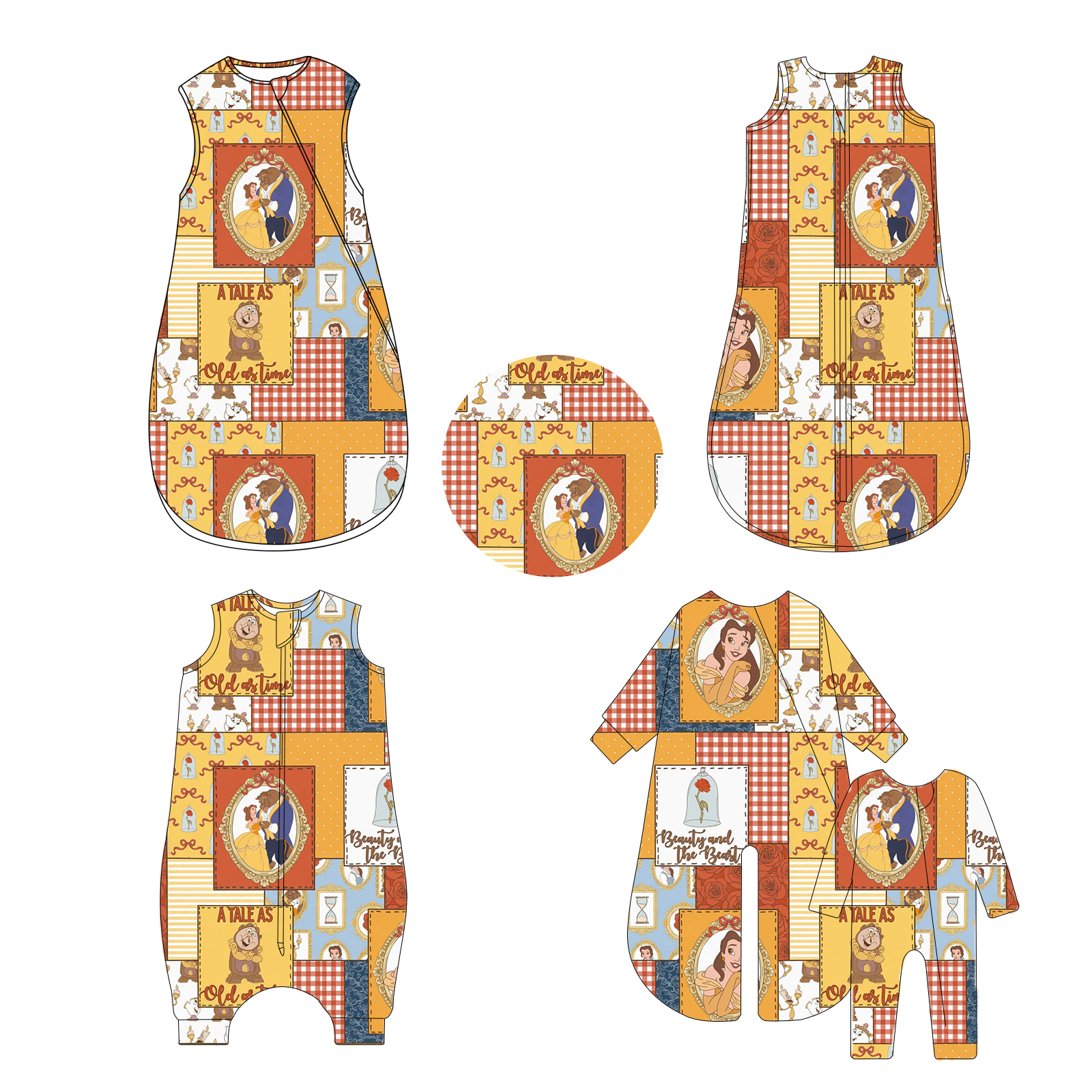
Retailers and boutique owners often seek unique designs to differentiate their brands. Manufacturers capable of offering customization options—such as brand logo printing, custom patterns, tailored sizes, or seasonal packaging—can help businesses create products that align with their market positioning. This flexibility helps enhance brand exclusivity and customer loyalty for the buyers’ businesses.

Core Pain Points and How to Address Them
Material Authenticity and Certifications
As a leading manufacturing factory, our primary focus remains on high-quality newborn baby sleeping bag. Buyers often face concerns about the authenticity of fabric claims from manufacturers. Addressing this pain point starts with sourcing from factories that provide full transparency, including certifications proving materials are hypoallergenic, organic, and sustainably sourced. Verifying these credentials is essential for building long-term trust with both buyers and end consumers.
Cost Efficiency Without Compromising Quality
Pricing is often a sensitive consideration for international buyers, especially for small businesses balancing quality and affordability. Working with manufacturers that offer flexible pricing models for bulk purchases while maintaining strict quality standards ensures a win-win scenario. Additionally, negotiating lead times and minimizing waste in production can help optimize costs further.
| Fabric | Bamboo/Cotton |
| Compliance | Sedex Member Factory |
| MOQ | 10pcs |
International Shipping and Support
Logistics and customer service are crucial elements for international buyers. Reliable manufacturers should offer streamlined global shipping options, multilingual support teams, and clear return policies to mitigate risks during cross-border transactions. Buyers should prioritize manufacturers with proven experience managing international orders efficiently and consistently.
Closing Thoughts
Investing in newborn baby sleeping bags crafted from certified hypoallergenic combed cotton and organic bamboo rayon represents a smart business opportunity for B2B buyers aiming to cater to discerning parents. By prioritizing material purity, safety certifications, and customization potential, buyers can position themselves competitively in the global marketplace. Partnering with trusted manufacturing factories with transparent practices will not only address core pain points but also build enduring partnerships that drive profitability and customer satisfaction.