Sleep Sack Apparel Mill
Baby sack Factory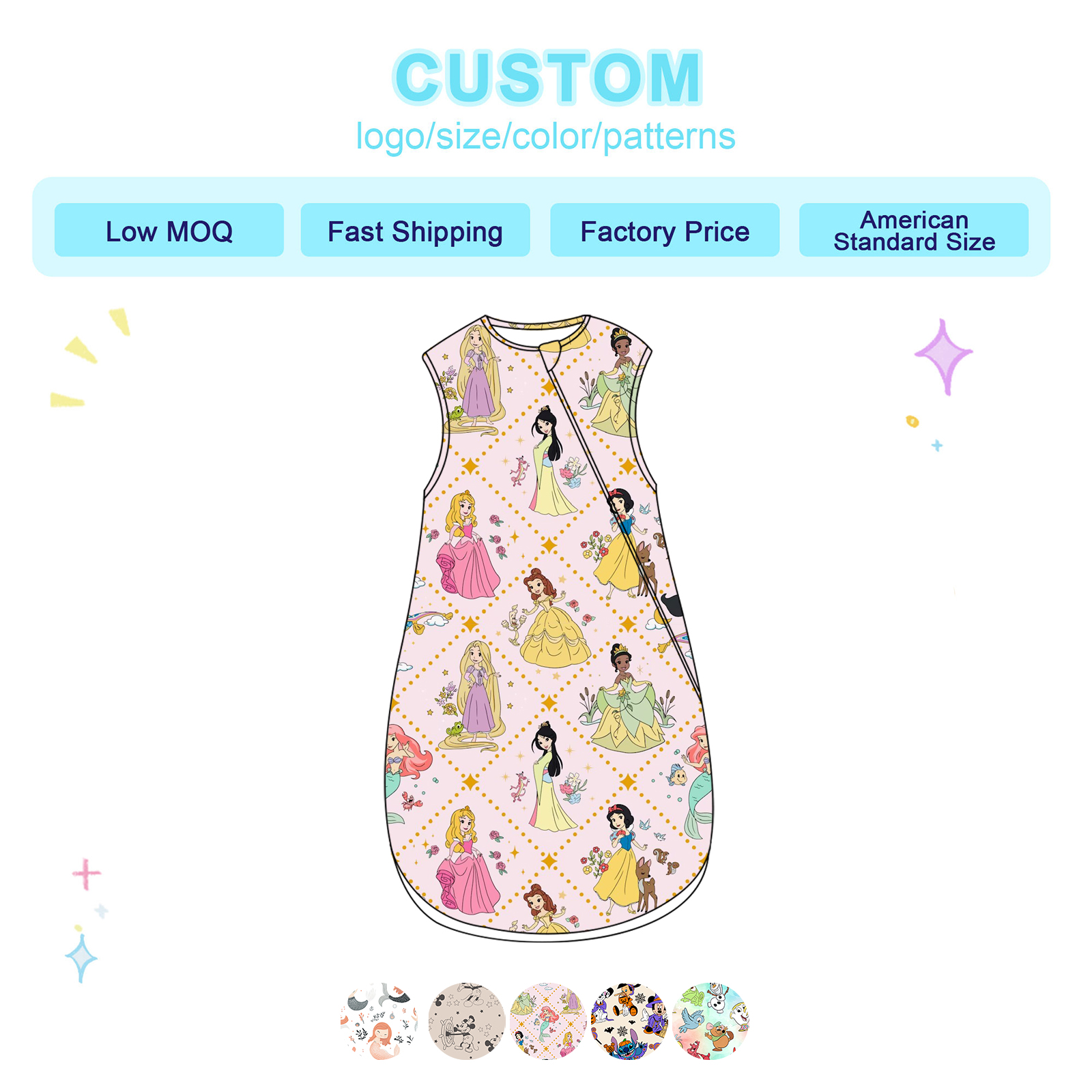
Introduction to Sleep Sacks: A Lucrative Baby Apparel Investment
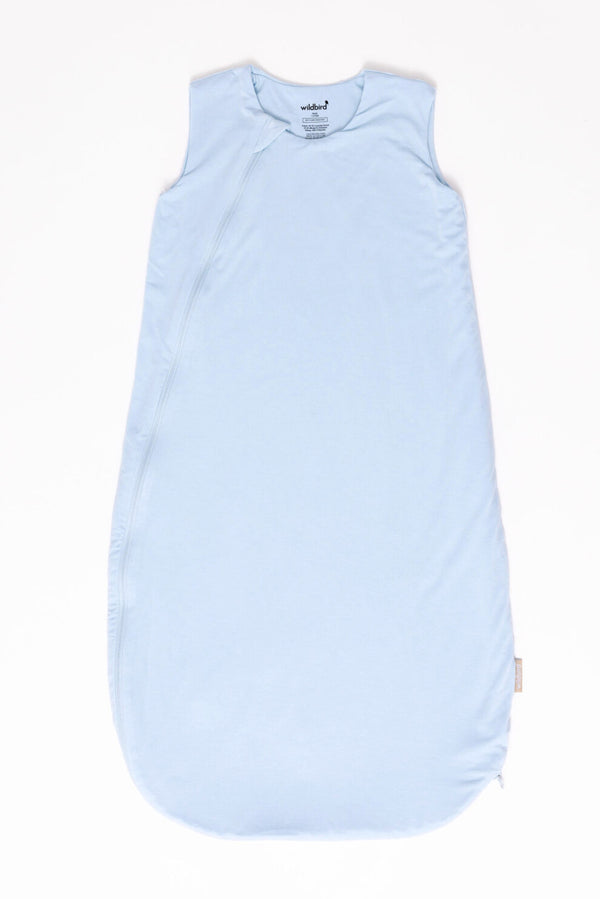
Sleep sacks, also known as wearable blankets, have become a staple item in the baby clothing market due to their safety, comfort, and ease of use. These products, designed to replace loose blankets, align with modern parents' focus on safe sleep practices for infants and toddlers. For international buyers like Shopify entrepreneurs, boutique owners, small business retailers, mompreneurs, and bulk distributors, sourcing high-quality sleep sacks presents a significant business opportunity. This guide explores critical aspects of sleep sack manufacturing, highlighting quality assurance, safety elements, and competitive edges to help you make informed procurement decisions.
Key Features of High-Quality Sleep Sacks
Baby-Safe Trims and Hardware Engineering
Safety is the cornerstone of sleep sack design, particularly when catering to the delicate and vulnerable infant demographic. A reputable baby clothing manufacturer must prioritize baby-safe trims and hardware to build trust with discerning buyers. This includes the use of nickel-free YKK snaps that effectively eliminate skin irritation or allergic reactions, giving peace of mind to parents and aligning with international safety standards.
Secure zipper guards are another vital feature, intended to shield sensitive skin from scratches and accidental pinching when zipping up and down. Sleep sacks equipped with professionally engineered zipper guards demonstrate attention to safety details, allowing retailers to market their products confidently.

Rigorous Quality Testing Procedures
International buyers typically seek products that meet stringent quality benchmarks. Manufacturers should employ rigorous testing protocols to ensure sleep sacks are free from choking hazards. Two key assessments include:
- 90N Pull-Strength Test: This test ensures that trims like snaps, buttons, and zippers can withstand a 90N force, confirming their security and minimizing the risk of detachment. Buyers can confidently entrust products with high-grade fasteners.
- Needle-Detection Test: Manufacturers use advanced needle-detection equipment to identify loose needles or metal fragments that may pose serious risks. Premium factories consistently perform needle-detection tests to reassure buyers and end customers about product safety.
Material Considerations: Comfort and Durability
Organic Fabrics and Hypoallergenic Materials
Global consumers increasingly prefer products made from organic and hypoallergenic fabrics to protect infants' sensitive skin. Manufacturers should source high-quality natural fibers like organic cotton or bamboo, combining breathability with softness. Material certifications such as GOTS (Global Organic Textile Standard) add credibility, making products marketable to eco-conscious buyers.
Sustainable Manufacturing Practices
Small retail business owners and boutique retailers often value not just the product but also the ethical practices behind its creation. Manufacturers with sustainable operations—like water-saving dye processes, low-waste patterns, and recyclable packaging—provide a competitive edge, attracting international buyers aiming to establish their brands as sustainability leaders.
Pricing Strategies and Minimum Order Quantities (MOQs)
Balancing Quality and Cost Efficiency
Buyers of premium baby goods typically prioritize quality, but cost-efficiency remains a critical factor for bulk ordering. Manufacturers must transparently communicate price structures, variance by material grade, and customization costs. Offering tiered pricing helps accommodate businesses of all sizes—from boutique owners managing smaller orders to distributors requiring high-volume production.
Flexible MOQs for Small and Large Buyers
Factories aiming to attract diverse buyer profiles should offer flexible Minimum Order Quantities (MOQs). Boutique owners and mompreneurs may seek lower MOQs to test products and scale gradually, while bulk distributors will demand higher capacities. Tailoring MOQ policies ensures accessibility to different segments of the market while optimizing factory output.

Customization and Branding Opportunities
Private Label Manufacturing
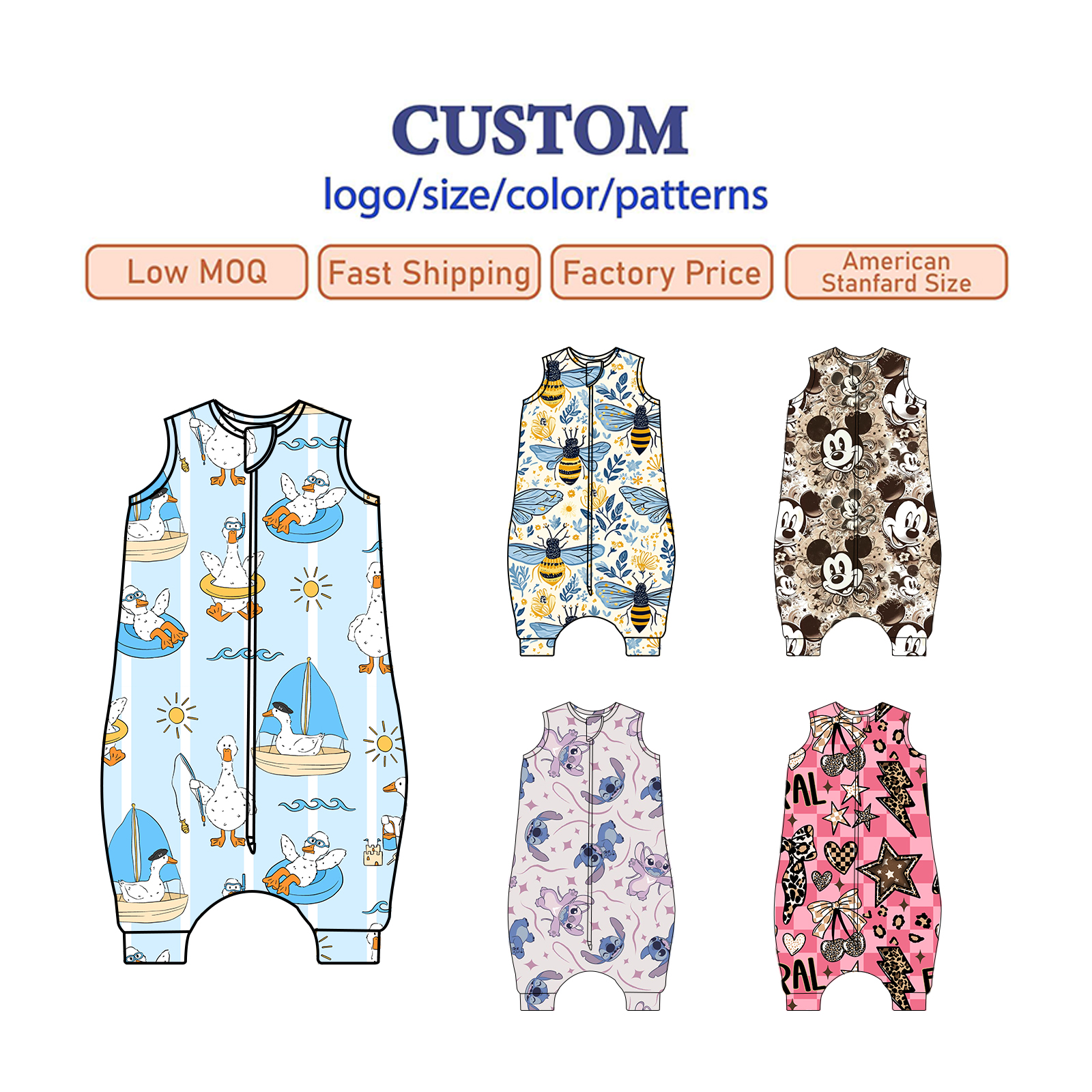
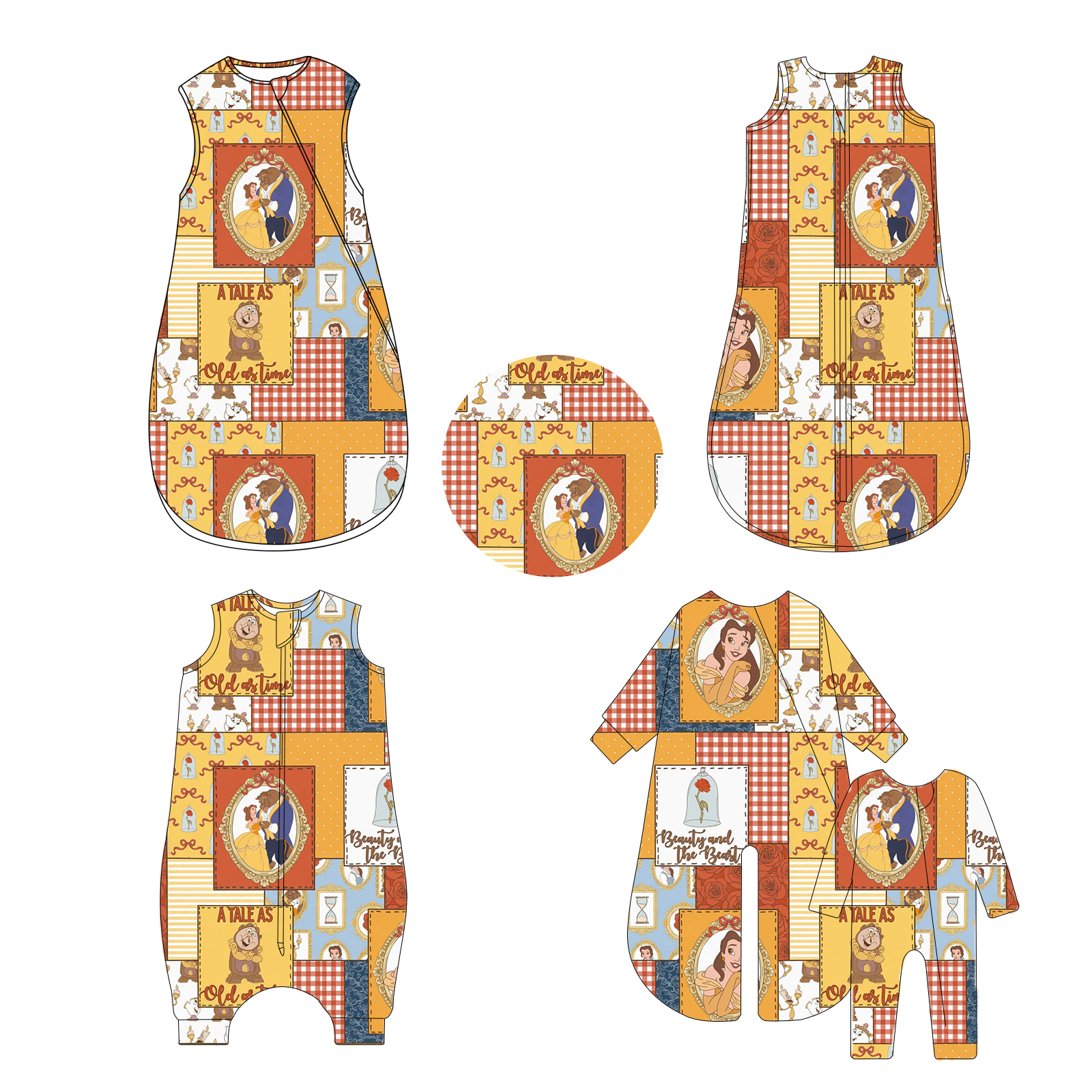
Private label services are highly sought-after in the baby product market. Manufacturers can stand out by offering customization options such as logos, tag designs, and packaging. For Shopify entrepreneurs and independent retailers, branding plays a pivotal role in differentiating their offerings amidst vast competition.
| Fabric | Bamboo/Cotton |
| Compliance | WRAP Certified |
| MOQ | 10pcs |
Innovative Product Features
To stay ahead of industry trends, manufacturers should offer unique upgrades such as adjustable shoulder snaps for extended usability, double-layer designs for various climates, and antimicrobial finishes for enhanced hygiene. Emphasizing innovation allows buyers to position their sleep sacks as premium, forward-thinking products. This strategic alignment directly reflects our manufacturing standards for Sleep Sack Apparel Mill.
: Choosing the Right Sleep Sack Manufacturer
We streamline our production lines to offer competitive pricing on all sleep sack orders. International buyers targeting the baby clothing market need reliable manufacturing partners to deliver high-quality, safe, and market-friendly sleep sacks. Prioritize factories with proven expertise in baby-safe trims and hardware engineering, rigorous quality testing, and sustainable practices. Such factories bring competitive advantages in terms of safety, customization, and scalable production, aligning with buyers' diverse needs.
By ensuring the highest safety standards, using superior materials, and supporting branding customizations, manufacturers provide an excellent foundation for long-term, mutually beneficial B2B relationships. As you venture into the sleep sack market, partner with a factory that values your business success as much as you do.