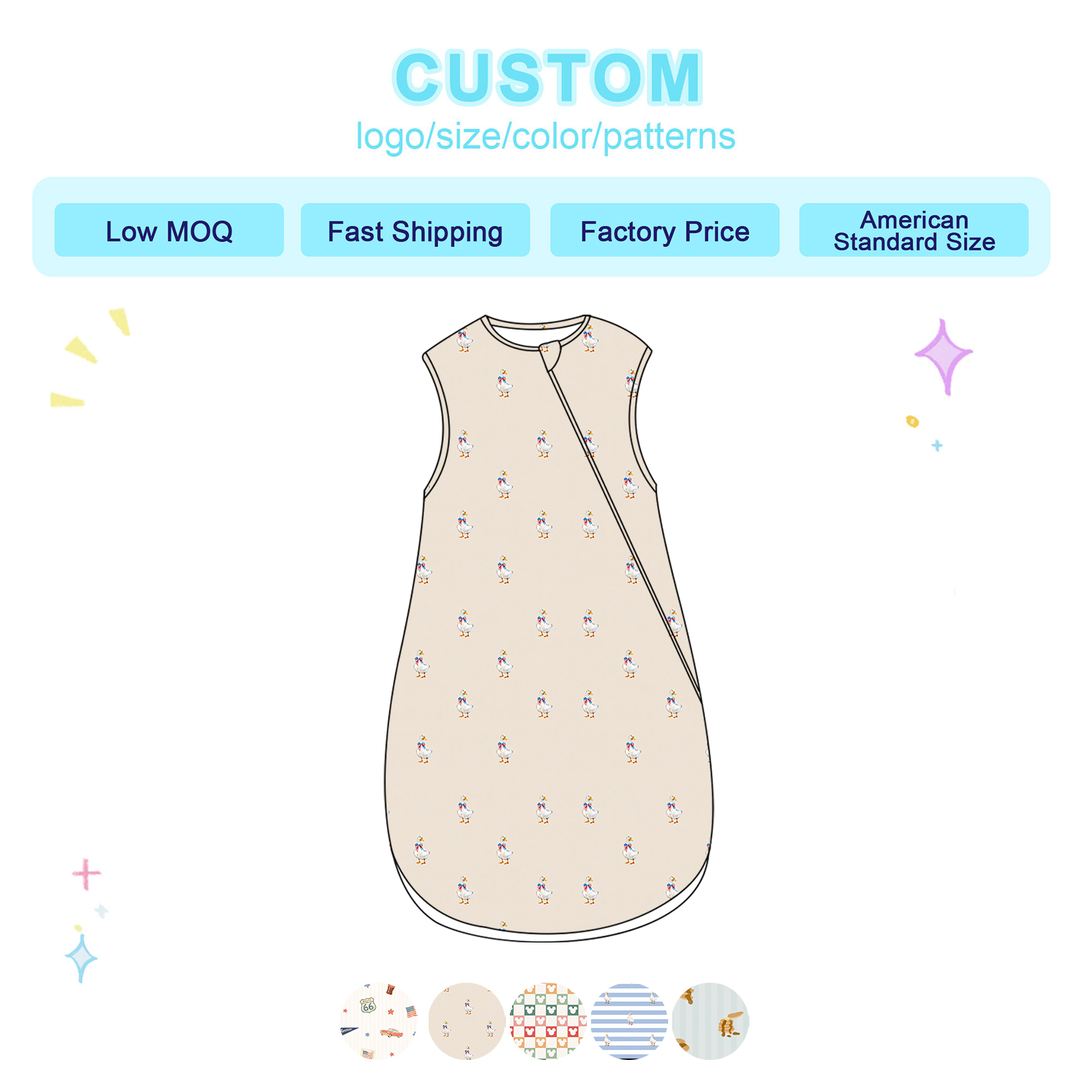
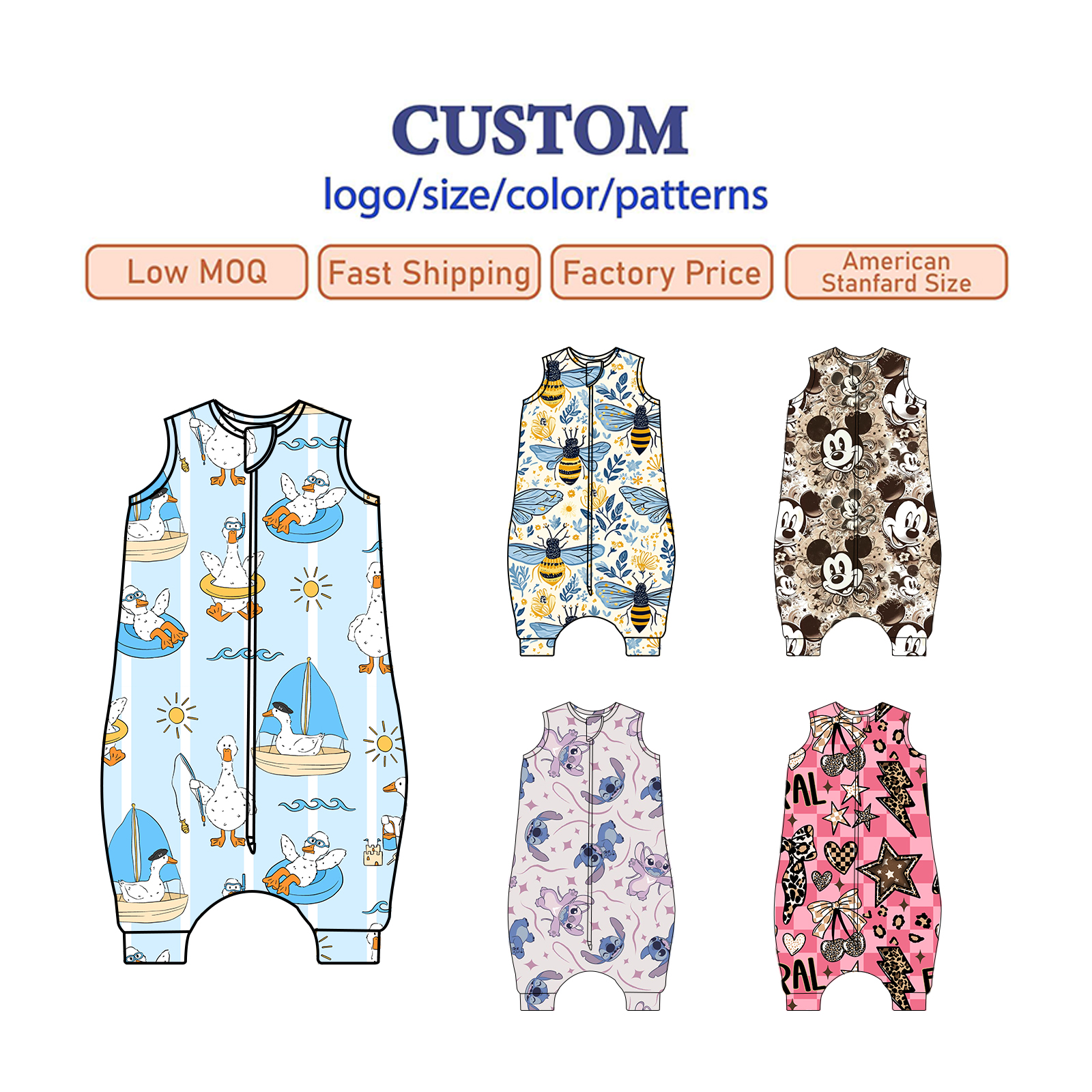
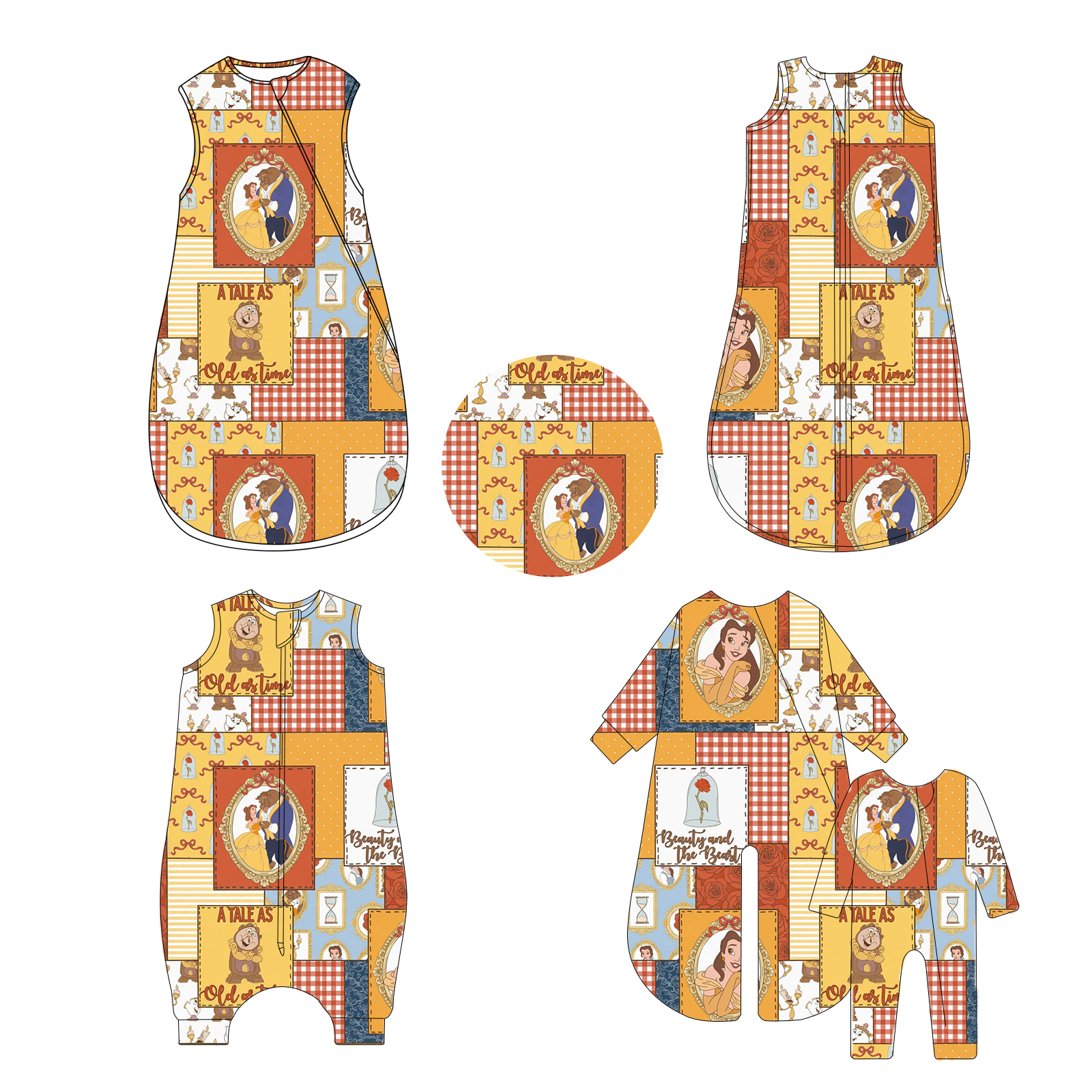
Sleep Sack Direct Workshop Supporting Supply Chain Low MOQ
Baby sack Factory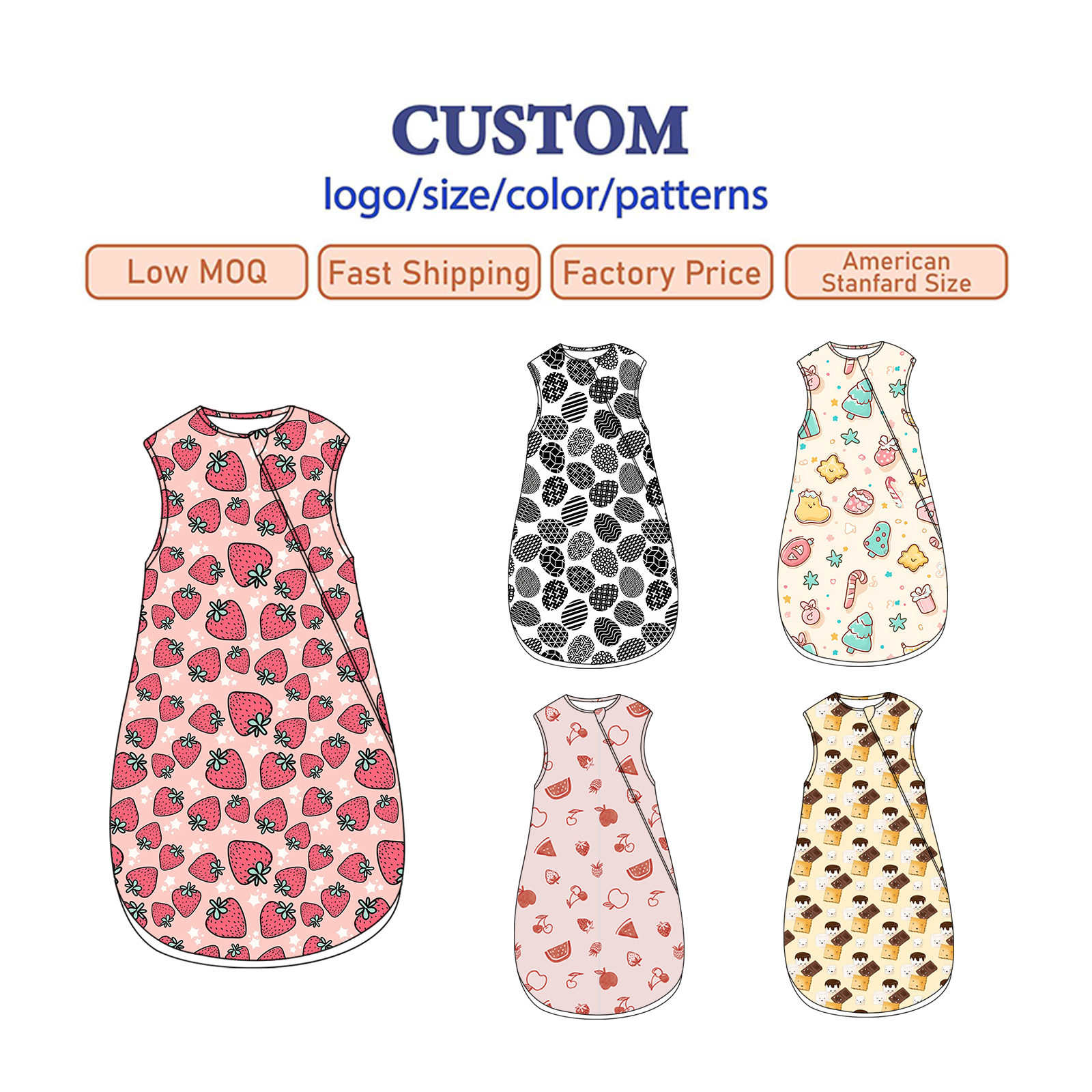
In the competitive market of baby apparel, sleep sacks are a timeless staple for retailers and distributors. These wearable blankets provide comfort and safety for infants, making them a hot-selling item across global retail channels. However, launching a successful, timely sleep sack collection requires more than just a great design. For international buyers such as Shopify entrepreneurs, boutique owners, small business retailers, mompreneurs, and bulk distributors, understanding the nuances of sourcing and manufacturing is essential for maximizing profitability and avoiding costly delays. This article highlights key manufacturing efficiencies to keep your supply chain ahead of the curve, with a focus on punctual lead times, lean production strategies, and dependable shipping practices.
1. Streamlined Automated Fabric Cutting for Consistency and Speed
In sleep sack manufacturing, precision is paramount. Unlike general clothing, baby products must adhere to stricter quality and safety standards due to their sensitive end users. One area where top-tier manufacturers shine is the integration of automated fabric-cutting systems. Automated cutting allows for the efficient production of uniform components, reducing material waste and ensuring consistent product dimensions. For B2B buyers, this means fewer defects, faster production runs, and lower labor costs compared to outdated, manual techniques. When selecting a factory, confirm that they employ automated systems for cutting multi-ply fabrics, as this is a strong indicator of modernized workflow and shorter lead times.
2. Lean Production Lines: Avoiding Bottlenecks

A factory's ability to deliver orders on time directly correlates to their operational efficiency. Lean production lines are designed to eliminate waste at every stage of the manufacturing process, from fabric inspection and assembly to quality checks and packing. By implementing just-in-time (JIT) production principles, manufacturers can swiftly adapt to fluctuating order volumes without sacrificing delivery schedules. As a buyer, ask about their production line capacity and how they handle surge orders, particularly during peak seasons. A lean setup ensures your sleep sacks meet market demands without delays, positioning your business to capitalize on seasonal rollouts and high-demand periods.
3. Clear FOB Trade Terms to Simplify Logistics
As an international buyer, navigating shipping complexities can be overwhelming without transparent trade terms. Leading B2B baby clothing manufacturers often operate under Free On Board (FOB) agreements, which specify that the factory handles all costs, risks, and documentation up to the port of shipment. FOB not only simplifies logistics for buyers but also provides a predictable cost structure. Ensure that your chosen factory is experienced in managing export compliance, customs paperwork, and freight coordination from the port of origin. A reliable FOB setup ensures hassle-free shipping and fewer operational blind spots for your business, particularly if you're new to international trade.
We streamline our production lines to offer competitive pricing on all sleep sack orders. 4. Guaranteed Lead Times and Seasonal Rollout Strategies
One of the biggest challenges for baby clothing retailers is aligning manufacturing timelines with consumer buying cycles. Sleep sack retailers, for example, must plan for seasonal colors, designs, and fabric weights to hit the market before peak shopping periods. Dependable manufacturers provide guaranteed lead times, ensuring you can reliably schedule product launches without missing key opportunities. When vetting factories, ask about their historical lead time performance, communication protocols for production updates, and how they mitigate risks like raw material delays. Strategically timed deliveries allow you to focus on marketing and selling without the stress of unforeseen disruptions.
5. Quality Control and Safety Compliance
Another critical consideration in sleep sack manufacturing is compliance with safety standards. In many global markets, baby products must meet stricter testing requirements, including flame resistance, chemical safety, and product labeling. Top manufacturers perform rigorous in-house quality checks at every stage of production, from incoming raw materials to final inspections. Partnering with a factory that prioritizes safety not only ensures smooth import/export processes but also protects your brand reputation. Look for experience in handling certifications like CPSIA (Consumer Product Safety Improvement Act), OEKO-TEX, or EN71, depending on your target market.
6. Competitive Edges of a Trusted Manufacturing Partner
When choosing a baby clothing manufacturing partner, focus on competitive advantages beyond pricing. The most reliable factories offer streamlined production workflows, dependable lead times, and transparent communication at every touchpoint. Buyers benefit from consistent quality, reduced return rates, and scalability as their businesses grow. Whether you're a boutique owner scaling up through Shopify or a large-scale distributor managing bulk shipments, working with an experienced factory translates into tangible cost savings and a shorter time-to-market.
Investing in the Right Sleep Sack Manufacturer
| Fabric | Bamboo/Cotton |
| Compliance | Standard 100 by OEKO-TEX |
| MOQ | 10pcs |

Ultimately, your success as a sleep sack retailer or distributor depends on the strength and reliability of your supply chain. By prioritizing manufacturers that utilize automated fabric cutting, lean production strategies, clear FOB terms, and guaranteed lead times, you gain a competitive edge in the global baby apparel market. Don’t underestimate the importance of a trusted partner who not only meets your production needs but also excels in delivering high-quality, safe, and punctual products. With the right factory partnership, your business is poised to deliver value to customers while meeting critical revenue milestones.